Your Morning Score Is Not a Permission Slip: Why Actives Should Train Through Low Readiness

Your Morning Score Is Not a Permission Slip: Why Actives Should Train Through Low Readiness
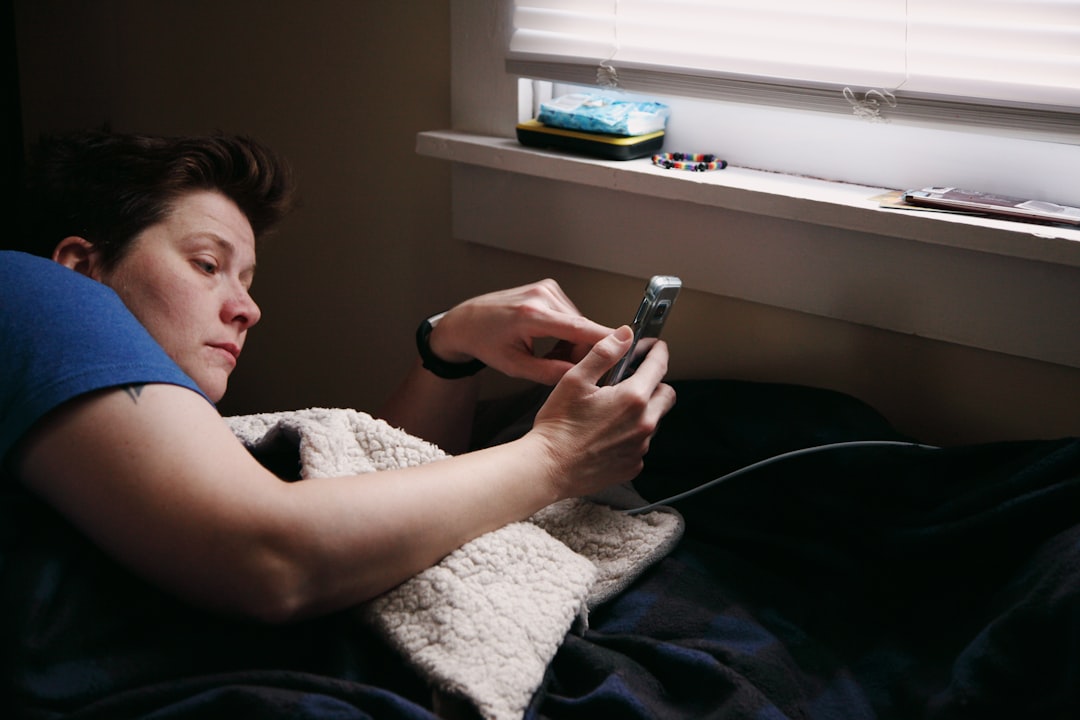
I check my Readiness the way most of you do. Eyes half open, phone in hand, hoping for a green number that tells me yesterday counted and today is clear. When it comes back low, there is a pull to cancel the run, push the lift, or call the whole day a wash.
I think that pull is the most costly habit wearables taught us. We turned a probabilistic summary into a gate. If the number is under 70, we do not train. If it is over 85, we send it. That is not how physiology works, and it is not how progress works either.
This is the contrarian part: for most recreational runners, lifters, and weekend soccer players, a low morning score should change the session, not cancel it. A red morning still leaves most of your fitness available. What is impaired is usually top end snap, tolerance for heat and volume, and mood to suffer. Those matter, but they do not zero you out.
I am writing this as the founder of Pulsyn. Rune 1 is pre-launch and planned to ship in Q3 2026 as a $200 one-time purchase with no subscription ever. A $20 reservation holds your place at pulsyn.tech. It will ship with Readiness, Strain, and Body Battery. I am telling you now, before you can buy it, not to obey those scores blindly. That sounds odd for a hardware founder. I would rather you get faster than get addicted to green.
The problem is not that scores are useless. The problem is we use them as permission slips. A better use is as adjustment dials. You look at why the score dropped, you keep the aerobic base or skill work, you trim the sharp edges, and you bank another consistent week. Consistency still drives about 80 percent of results for non elite athletes. One heroic green day does not make a season, and one red day does not break one.
Why low readiness still predicts a normal training day
Photo by Adam Birkett on Unsplash
Talk to coaches who work with real schedules and you hear the same story. Athlete wakes up groggy, HRV down 15 percent, resting heart rate up four beats, sleep cut to five and a half hours because a kid was sick. Coach expected a disaster workout. Athlete warms up, feels flat for 12 minutes, then hits 90 percent of planned paces and leaves in a better mood.
That happens because morning autonomics are noisy. Heart rate variability can swing 10 to 20 percent day to day in healthy people without any change in fitness. Resting heart rate moves with room temperature, late meals, alcohol, dehydration, and whether you woke up to an alarm during light sleep or deep sleep. Skin temperature shifts with blankets and bedroom air. None of those inputs know your squat 1RM or your 10K PR.
Sleep trackers add their own error. Actigraphy is good at telling sleep from wake in chunks, but staging light versus deep versus REM from wrist motion plus PPG is approximate. A 20 minute overestimate of awake time can drag a composite score down 10 points while your actual recovery is fine. First night effect in a hotel, a partner who steals covers, a dog bark at 3 a.m., all show up as red. Your legs do not know the difference as much as the chart suggests.
There is also a selection bias in how we remember scores. We remember the red day that felt awful and forget the five red days that felt okay after warmup. Wearable apps reinforce it by pairing red with warnings in red color and copy that says prioritize rest. Color does a lot of work. Put the same physiology in gray text that says mildly depressed recovery signals and people train. Put it in red with a battery icon at 22 and they sit out.
I am not saying signals do not matter. Chronic suppression matters a lot. If your resting heart rate sits six to eight beats high for four mornings, HRV sits 25 percent below your 30 day baseline, and you have a sore throat, that pattern is real. But a single dip after one short night, two drinks, or a hard session yesterday is normal noise around a stable mean. Most training adaptations live in that noise. You got fitter yesterday, so today looks worse. That is the cost of the adaptation you wanted.
Think of it in practical terms. If you train four times per week and you skip every amber morning, you will miss roughly one session in three during stressful months. Over 12 weeks that is 12 to 16 missed exposures. No taper or superfood makes up for that volume gap. If instead you adjust and keep 80 percent of those sessions at lower strain, you keep the habit, keep blood flow and skill, and you avoid the stop start soreness cycle that actually causes injuries.
The math your score hides from you

Photo by Inka Kapturewska on Unsplash
A composite score compresses four to seven inputs into one 0 to 100 number. Compression always loses detail, and the lost detail is where training decisions live. Two people with a 62 can need opposite advice.
Person A slept four hours, HRV normal, resting heart rate normal, no soreness, yesterday was rest. The low score is almost all sleep duration. For an easy aerobic run or technique lift, that person is usually fine. Sleep loss hits reaction time, pacing judgment, and perceived effort more than it hits 60 minute zone 2 output. Keep it easy, keep it short, avoid max efforts and hot conditions, go to bed early tonight.
Person B slept eight hours, HRV down 30 percent, resting heart rate up seven beats, temperature two degrees above baseline, throat scratchy. Same 62. That person should probably not do intervals in heat. An easy walk or full rest plus fluids makes sense. The number matched, the physiology did not.
Most apps do not show you the weights. How much did sleep count versus HRV versus yesterday's strain. Without weights you cannot tell if a 12 point drop came from a sensor dropout or a real fever. PPG dropouts are common. Cold hands in winter, loose fit on a fast downhill, dark tattoos under green light, motion artifact during restless sleep, all reduce signal confidence. A good pipeline should down weight low confidence periods. Many consumer summaries do not explain when they did.
There is also baseline math. A seven day rolling baseline reacts fast and flags every hard block as overreaching. A 30 day baseline is slower and better for recreational athletes with jobs and kids. If your app uses a short window and you just had your best training week in a month, expect red. That red is partly proof the block worked. Coaches call this functional overreaching. You feel flat for three to five days, then you rebound. If you quit at the first red, you never collect the rebound.
Here is a simple way to deconstruct any morning without a physiology degree. Look at three buckets. Overnight signals: resting heart rate versus your 30 day median, HRV versus your 30 day median, temperature deviation, SpO2 dips if you have them. Behavior inputs: sleep duration and continuity, alcohol in last 24 hours, late heavy meal, illness symptoms. Load context: Strain or training load in last 48 hours and last seven days, plus soreness and mood rated 1 to 5. If only one bucket is off and the other two are clean, you can usually train with modification. If two buckets are off in the same direction, be cautious. If all three are off, take the easy day.
I want to be clear this is general information, not medical advice. Chest pain, fainting, fever above 100.4F, shortness of breath at rest, or a heart rate that will not come down are stop signs. Talk to a clinician when you are sick or worried. Scores do not diagnose. They summarize recent signals.
What to do on red and amber mornings instead of skipping
 You do not need motivation on a low morning. You need a smaller decision. Do not ask should I train. Ask what version fits today. Precommit to that version before coffee so negotiation does not eat your willpower.
Start with a 15 minute rule. Kit up for the modified session, warm up easy for 15 minutes, then check three things. Breathing through nose still possible at easy pace. Legs feel same or better than minute five. Mood not getting darker. If two of three are true, finish the modified session. If two of three are false, convert to walk and mobility and call it good. You kept the habit without digging a hole.
For runners, use this ladder. Green plan was intervals: drop to 30 to 40 minutes easy with 4 to 6 strides of 15 seconds if legs come around, full rest between strides. Green plan was tempo: drop to easy aerobic for time, not distance, cap at 75 percent of planned duration. Green plan was long run: keep it only if sleep was the sole driver and soreness is under 3 out of 5, cut 25 to 35 percent of duration, carry fluids, run by effort not pace, expect pace to be 15 to 30 seconds per mile slower at same heart rate. Strength athletes can do the same. Keep the movement pattern, cut top sets, keep backoff volume. Planned 5x5 at 82 percent becomes 3x5 at 70 percent plus carries or sled. Planned max test becomes technique work at 60 to 70 percent.
Cap the strain explicitly. If you normally collect 14 to 18 Strain on a hard day on a 0 to 21 scale, aim for 9 to 12 on red days. That is enough to maintain, not enough to need two days to recover. Stop the session if heart rate drifts more than 10 beats above normal for the pace or load, if form breaks early, or if you need extra rest just to feel normal between easy sets. Those are better stop signals than a pre workout number.
Fix the obvious inputs the same day. This is boring and it works. No alcohol, caffeine cutoff by noon, 500 to 750 ml extra water if urine is dark or you woke with headache, protein at each meal around 25 to 40 grams depending on body size, room dark and cool tonight, phone charging outside bedroom. You cannot bank sleep in advance, but you can protect tonight. One normal night often lifts the score 8 to 15 points without any fitness change.
Log why you adjusted in one line. Short night, kept easy 35. HRV low plus sore throat, walked only. Cold room dropout, normal session. After three weeks you will have your own calibration. You will see that late meals always cost you 10 points but do not affect lifting, while short sleep plus high prior strain always predicts a flat interval day. That personal map beats any generic color.
A note on caffeine. It masks perceived effort for about 45 to 90 minutes but does not restore reaction time or heat tolerance. Fine for an easy session, risky for using it to force a hard session through illness or severe sleep loss. If you need 300 mg just to consider training, take the easy option.
When low really means stop
Contrarian does not mean stubborn. There are days to shut it down, and they cluster around a few clear patterns. Learn them so you can train freely the other 90 percent of time without guilt.
Stop for fever, vomiting, chest tightness, wheezing, dizziness, or flu like body aches with fatigue. Stop for a resting heart rate 10 or more beats above your median for two mornings plus sore throat or congestion. That combination predicts prolonged illness better than any single score. Walk, hydrate, sleep. Do not test yourself.
Stop for sharp localized pain that changes gait or lifting mechanics. Achilles pain that makes you limp, a hamstring grab on acceleration, shoulder pain that forces a shrug on press, those are mechanical issues. Training through altered mechanics shifts load to tissues that are not ready. One skipped hard session costs little. A compensatory tear costs eight weeks.
Stop for autonomic pileup. That is my term for three or more days of HRV 25 to 35 percent below baseline plus mood 2 out of 5 or lower plus performance drop you can measure, like easy pace 30 seconds slow at same heart rate or bar speed visibly slow at 70 percent. That is not one red morning. That is a trend. Take one to two truly easy days, cut volume in half, keep sleep regular, then retest with a moderate session. If the trend persists past five days without illness, talk to a coach or clinician about load, stress, iron, or thyroid, depending on context.
Heat deserves special respect. Low recovery plus high heat plus dehydration is the one combo where an easy session can still go wrong. Core temperature rises faster when you are under slept and under fueled. If heat index is above 90F and your morning signals are already depressed, move inside, shorten, or skip. No zone 2 run is worth heat illness.
Mental health counts too. If tracking itself spikes anxiety, if a red score ruins your morning or you check Body Battery six times before lunch, the tool is hurting more than helping. Hide the score for two weeks and train by plan and feel. I have done this. My training got simpler and my sleep got better because I stopped doom scrolling my own recovery. Scores should reduce decisions, not add dread.
How we built Rune 1 to resist score dependence
We are building Rune 1 because we got tired of two bad choices. Pay $300 plus $6 to $12 per month forever just to see your own trends, or accept a free app that treats you as the product. Rune 1 is $200 one-time with no subscription ever. That choice shapes the product. When we do not need to justify a monthly fee with daily alarm, we do not need to scare you into opening the app.
Rune 1 is a titanium ring with PPG, skin temperature, activity, and sleep sensing, paired with an app that runs North, our assistant. Cloud models are DeepSeek V4 Flash and Pro via Fireworks.ai for heavy reasoning when you are online. On device models are Qwen 3.5 fine tunes at 0.8B and 4B via llama_cpp_dart for fast offline answers. That split lets you ask why did my Readiness drop in plain language and get an answer that cites last night versus baseline, not just a color.
We ship Readiness, Strain, and Body Battery in Q3 2026. No hidden tier. What we are doing differently is showing inputs and confidence next to the number. If last night had two hours of low confidence PPG from motion, you will see that gap. If temperature deviation drove the drop, you will see that weight. We would rather show uncertain than pretend certain.
We are also keeping the advice narrow. Instead of train or rest as a command, North will suggest a modified version. Yesterday was high Strain and sleep was short, today's plan was intervals, consider easy 35 plus strides. You can accept, edit, or ignore. The log stays yours. We do not sell your health data and we do not require a cloud account to see basics. Details on what stays on device versus what you opt to process in cloud will be in the privacy sheet before ship. If facts are missing today, I will say so instead of promising what hardware cannot do.
We are pre-launch now. You cannot buy Rune 1 today. You can reserve at pulsyn.tech for $20, refundable terms as listed there, and follow build updates. If you already wear another device, use the framework above with it. The point is not brand loyalty. The point is to keep training through noise and rest for signals.
So tomorrow, when the number is amber, do not ask for permission. Check the three buckets, pick the smaller version, do the 15 minute test. Most days you will finish and feel human again. Some days you will walk and be glad you did. Both count. What does not count is letting a single compressed number decide a whole season. You are the athlete. The score is just one assistant with limited context.