Why Smart Rings Are Built to Die: The Hardware Expiration Date Nobody Talks About

TL;DR
Most smart rings stop holding a full charge after 18 to 24 months, and the companies that sell them know it. The battery is sealed inside a titanium shell, glued shut, with no replacement path and no repair program. That is not an accident. It is a business model that pairs disposable hardware with a recurring subscription, and it means you are renting a sensor you thought you bought. Pulsyn is shipping in Q3 2026 with a $160 price and no subscription because we think the hardware should outlast the payment plan.
The 24-month lifespan nobody questions
In 2022, I bought an Oura Ring Gen 3. By early 2024, the battery was at 62% of its original capacity. By month 20, I was charging it twice a day. I checked Reddit and found the same thread repeating every six months: "Is anyone else's Oura dying fast?" The answer is always yes. The thread is always archived. The company always says the same thing. "Battery life varies by use." It does not vary. It degrades on a curve that is predictable, documented, and ignored.
Lithium polymer batteries, the kind inside every major smart ring, lose about 20% of their capacity in the first 500 full charge cycles. At one charge per day, that is 18 months. At two charges per day, which is what happens when the battery starts shrinking, you hit 500 cycles in under a year. The ring is not dead. It is inconvenient. And inconvenience is the point of expiration for a product that has no user-serviceable parts.
Oura does not publish cycle-life data. Neither does Samsung, RingConn, or Ultrahuman. I asked Oura support for the rated cycle life of the Gen 3 cell. They sent me a link to a general battery care article. The ring retails at $349 plus $72 per year. If it lasts 24 months before you replace it, you have spent $493 for two years of biometric logging. The device itself is a consumable. You just did not notice because the subscription bill kept coming monthly.
How lithium batteries die in rings
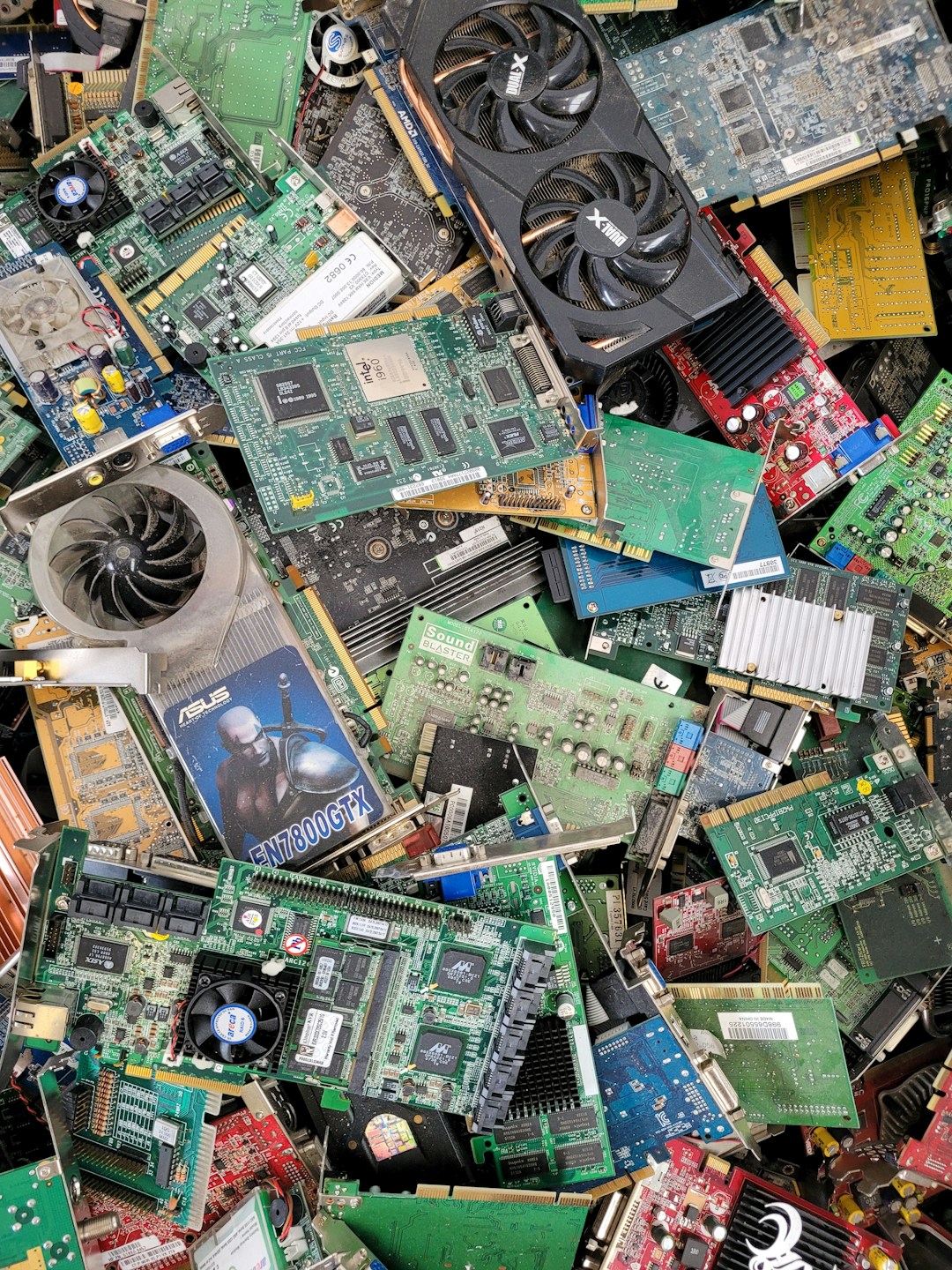
The chemistry is not complicated. A lithium polymer cell works by moving ions between a cathode and an anode through an electrolyte. Every cycle creates a small layer of solid electrolyte interphase, or SEI, on the anode. That layer is permanent. It reduces the active surface area. It also traps lithium, which means fewer ions are available for the next cycle. The result is a battery that shrinks in effective capacity even if the physical cell stays the same size.
Smart rings make this worse in three specific ways. First, the cell is tiny. Oura's Gen 3 battery is estimated at 15 to 20 mAh. At that scale, a single percentage point of degradation is a noticeable loss in daily runtime. Second, the ring is worn on a finger, which means the battery operates at skin temperature, roughly 30 to 35 C. Higher temperatures accelerate SEI growth. Third, the charging cycle is shallow but frequent. Users top up the ring every morning for 20 to 40 minutes. That partial cycling still counts toward wear, and the battery management system is not sophisticated enough to optimize for longevity in a package this small.
The ring form factor is the worst possible shape for a degrading battery. A phone has space for a larger cell, thermal management, and a user-replaceable design. A watch has a flat back and enough volume for a 200 mAh cell. A ring has a toroidal volume constraint, a curved PCB, and a battery that is literally molded to fit the circumference of your finger. When that cell dies, the entire device dies. You cannot open the shell without destroying the electronics inside. The titanium is bonded to the internal frame with adhesive that requires heat guns and prying tools. iFixit has never published a repair guide for an Oura ring. The reason is simple. There is no repair path.
Why the industry likes it this way
The wearable industry has converged on a specific product shape. Small, sealed, beautiful, and disposable. It did not have to. The technology exists to make a smart ring with a removable battery. It would be slightly thicker. It would require a clasp or a threaded joint. It would sacrifice the unbroken jewelry aesthetic that marketing departments love. But it would last five years instead of two.
The industry chose aesthetics over lifespan because the business model rewards replacement. A ring that dies in 24 months creates a repurchase event. A subscription that continues after the hardware dies creates a revenue stream that is disconnected from physical delivery. Oura's financial disclosures, filed in preparation for their IPO, show that subscription revenue is the fastest-growing segment. In 2024, 72% of their revenue came from subscriptions. The hardware is a loss leader. Or at best, a break-even acquisition cost. The real money is the $72 per year you pay to access data that lives on servers Oura controls, analyzed by algorithms you cannot inspect, stored in formats you cannot export.
Samsung entered the ring market in 2024 with the Galaxy Ring. The device is $399. The battery is rated for 7 days. Samsung has not announced a battery replacement program. The warranty is one year. In the European Union, the upcoming ecodesign regulations will force manufacturers to offer repair information and spare parts for up to 10 years. But smart rings are small enough, new enough, and niche enough that they may slip through the regulatory gaps. The industry is betting on it.
RingConn, which markets itself as a no-subscription alternative, still sells a sealed titanium ring with no battery replacement path. The RingConn 2 is $259. The battery is claimed at 10 to 12 days. There is no teardown data publicly available, but the construction is similar to Oura's. A single-cell lithium polymer, potted in adhesive, wrapped in a medical-grade titanium shell. When the battery dies, the company offers a discount on the next generation. That is not sustainability. That is a trade-in program dressed as customer loyalty.
The subscription makes hardware disposable
The real trick is psychological. When you pay $5.99 per month for Oura, you do not think of the ring as a $349 purchase. You think of it as a service. The hardware becomes an accessory to the subscription. When the ring dies, you do not feel the same loss you would feel if a $350 watch stopped working. You feel the mild inconvenience of re-subscribing to a new sensor. The subscription reframes the hardware as disposable.
This is the same model that killed the consumer printer industry. The printer is cheap. The ink is expensive. The printer is designed to fail. The consumer never notices because the ongoing cost is normalized. In wearables, the ink is the cloud. The cloud is where your data lives. The cloud is where the algorithms run. The cloud is why you pay. And the cloud does not care if the sensor that feeds it is the original ring or a replacement ring. The sensor is fungible.
The environmental cost is harder to track. A smart ring contains lithium, cobalt, copper, gold, and titanium. The mining footprint for a single ring is small compared to a phone, but the replacement cycle is faster. A phone lasts three to four years. A smart ring lasts two. The embodied energy per year of use is higher for the ring than for many larger devices. And almost none of the materials are recovered. The ring is too small for most e-waste recyclers to process profitably. It goes into a drawer, then a bin, then a landfill. The titanium shell will outlast the civilization that built it. The battery inside will leak electrolyte.
What a repairable ring would look like
A repairable smart ring is not science fiction. It is a mechanical engineering problem with known solutions. The battery would sit in a small removable pod, accessed by unscrewing a threaded collar or sliding a locking mechanism. The pod would be IP67 rated. The thread pitch would be fine enough to keep water out. The cell would be a standard cylindrical lithium polymer, not a custom-molded shape. When it degrades, you order a replacement pod for $15. The rest of the ring stays on your finger.
The electronics would be modular. The PCB would split into a sensor board and a logic board. The sensor board, which carries the LEDs and photodiodes, would be the part most likely to fail from wear. It would clip in. The logic board, with the Bluetooth radio and the processor, would last longer. You would replace the sensor board after three years of daily wear, not the entire device. The titanium shell would be a lifetime component. The finish might scratch. The battery would degrade. The sensor window might cloud. But the structure would stay.
None of the major manufacturers do this. The reason is not technical. It is margin. A ring with a replaceable battery costs more to engineer and less to replace. The customer lifetime value drops. The recurring revenue drops. The brand that moves first toward repairability would win a specific segment of the market, but the segment is small. Most consumers do not ask about battery replacement when they buy a ring. They ask about sleep stages. They ask about HRV. They ask about the app. The hardware lifespan is invisible until it becomes a problem, and by then the purchase is made.
What Pulsyn is doing differently
Pulsyn is a $160 ring with no subscription. That changes the economics. If the hardware dies in 24 months, you have spent $160 for 24 months. That is $6.67 per month. It is cheaper than Oura. But it is still $160 of waste. We do not want to build a slightly cheaper disposable object. We want to build a device that lasts.
The Rune 1 uses a lithium polymer cell in the 20 to 25 mAh range. We are sourcing a cell with a rated cycle life of 800 cycles at 80% capacity retention. At one charge per day, that is 26 months. At two charges per day, it is 13 months. We are working on a firmware power profile that extends the runtime to 5 days per charge, which reduces the daily cycle count. The math is simple. If you charge every 5 days instead of every day, you hit 800 cycles at 11 years. The battery is still the limiting factor. But the limit moves.
We are also designing the charging case with a diagnostic mode. The app will report battery health percentage, not just charge percentage. When the battery hits 70% health, the app will warn you. At 60%, we will offer a replacement program. We have not finalized the repair architecture. It may be a mail-in service. It may be a modular pod. The honest answer is that we are still deciding. The cost of a truly user-replaceable battery in a ring this small is significant. We may ship the first generation as a sealed device with a mail-in battery replacement at year 3. That is not perfect. It is better than nothing.
The price matters here. At $160, we do not need the hardware to subsidize a subscription. The margin is in the device itself. That means we are incentivized to make a device you want to keep. There is no recurring revenue to cushion the loss of a repurchase event. The business only works if the product is good enough that you tell someone else. That is a different incentive structure. It does not guarantee repairability. But it removes the incentive to make the device disposable.
What we still do not know
I am not sure if the Rune 1 will hit the 5-day battery target in real-world use. We have the cell. We have the power profile. We do not have 18 months of user data. The battery will degrade. The question is how fast. We will publish real degradation curves after the first 1,000 units ship. If the battery dies faster than expected, we will say so. If the replacement program costs more than we projected, we will say that too. The only thing worse than a disposable ring is a company that pretends its ring is not disposable.
About the author
James Hoffmann is the founder of Pulsyn. He has been disassembling consumer electronics since 2018 and believes the right to repair is a consumer rights issue, not a hobbyist niche.
References
- Oura Inc. Form F-1, filed with the SEC, 2025. Revenue breakdown by segment and subscription attach rate.
- iFixit. Teardown analysis of Oura Ring Gen 3. Battery identification and construction assessment. 2023.
- Ecodesign for Sustainable Products Regulation (ESPR), European Commission. Proposal for repair requirements and spare parts availability. 2024.
- Samsung Galaxy Ring specifications. Battery capacity and warranty terms. Samsung.com, 2024.
- Battery University. "How to Prolong Lithium-based Batteries." Cycle life, temperature effects, and SEI formation. 2024.