Skip to content
Back to all posts

Posts tagged: Consumer Rights

10 posts found

A close-up of a green LED and photodiode sensor on a small circuit board, the same components found inside every smart ring that claims to monitor your heart rate continuously
Smart RingsTransparencyHeart Rate

The 'Continuous' Heart Rate Lie: Why Your Ring Samples Your Pulse in Bursts, Not Streams

Smart rings claim 'continuous' heart rate monitoring. The physics of photoplethysmography and a 20 milliamp-hour battery make that impossible. Here is the duty cycle nobody talks about, and why Pulsyn shows the gaps instead of hiding them.

James Hoffmann James Hoffmann
Jun 9, 2026 11 min read
A medical sleep study room with monitoring equipment and sensors, the gold standard for measuring sleep stages that smart rings attempt to approximate
Sleep ScienceOuraWhoop

How Smart Rings Calculate Sleep Stages (and Why They're Mostly Guessing)

Your smart ring does not measure sleep stages. It measures heart rate and motion, then guesses. Here's how the guess works, why the industry pretends otherwise, and why Pulsyn tells you the truth.

James Hoffmann James Hoffmann
Jun 8, 2026 14 min read
A person napping in afternoon light on a couch, the exact scenario where most smart rings misclassify sleep stages due to circadian differences
Smart RingsConsumer RightsSleep Science

The Nap Problem: Why Smart Rings Are Bad at Afternoon Sleep, and What the Science Actually Says

Most smart rings treat a 20-minute afternoon nap as either deep sleep or a complete miss. The reason is not a bug. It is a fundamental mismatch between how actigraphy guesses sleep stages and how naps actually work.

James Hoffmann James Hoffmann
Jun 7, 2026 13 min read
A closeup of a lithium polymer battery cell showing the layered construction that degrades with every charge cycle in a sealed smart ring
HardwareConsumer RightsPlanned Obsolescence

Why Smart Rings Are Built to Die: The Hardware Expiration Date Nobody Talks About

Most smart rings stop holding a full charge after 18 to 24 months, and the companies that sell them know it. The battery is sealed inside a titanium shell, glued shut, with no replacement path. That is not an accident. It is a business model.

James Hoffmann James Hoffmann
Jun 6, 2026 12 min read
A neon-lit circuit board representing the internal hardware of wearable devices that users are reverse engineering to reclaim their health data
OuraSubscriptionOpen Source

Why People Are Cracking Their Oura Rings

A Reddit post called Cracked Oura hit 769 upvotes by showing how to bypass Oura's mandatory subscription using raw BLE data. The thread turned into a product support forum for a product Oura refused to build.

James Hoffmann James Hoffmann
Jun 2, 2026 14 min read
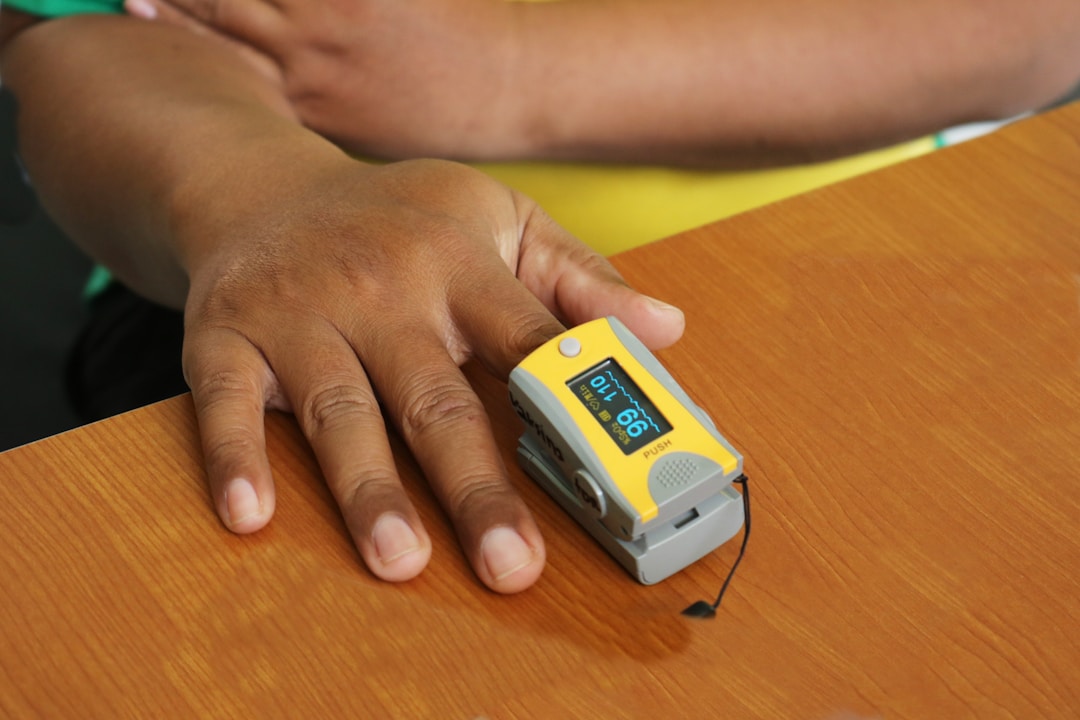
A medical pulse oximeter clipped to a fingertip, using transmissive light technology that consumer smart rings cannot replicate
Spo2Pulse OximetryFda

Why Your Smart Ring SpO2 Reading Is Probably a Guess

Consumer wearables run reflective PPG on body parts never designed for it. The FDA has scrutinized these monitors since 2022 for systematic bias. Smart rings compound the problem with clamp pressure and unvalidated algorithms.

James Hoffmann James Hoffmann
May 28, 2026 11 min read
A simple budget fitness tracker on a wrist, representing the low-cost wearable hardware that Pebble and independent smart ring makers are building
Smart RingsPebbleHardware

Pebble's $75 Index 01 and the Great Smart Ring Divergence

The smart ring market is splitting into three species: premium health platforms, single-purpose tools, and subscription-hungry AI wrappers. Pebble's Index 01 proves the divergence is real.

James Hoffmann James Hoffmann
May 26, 2026 12 min read
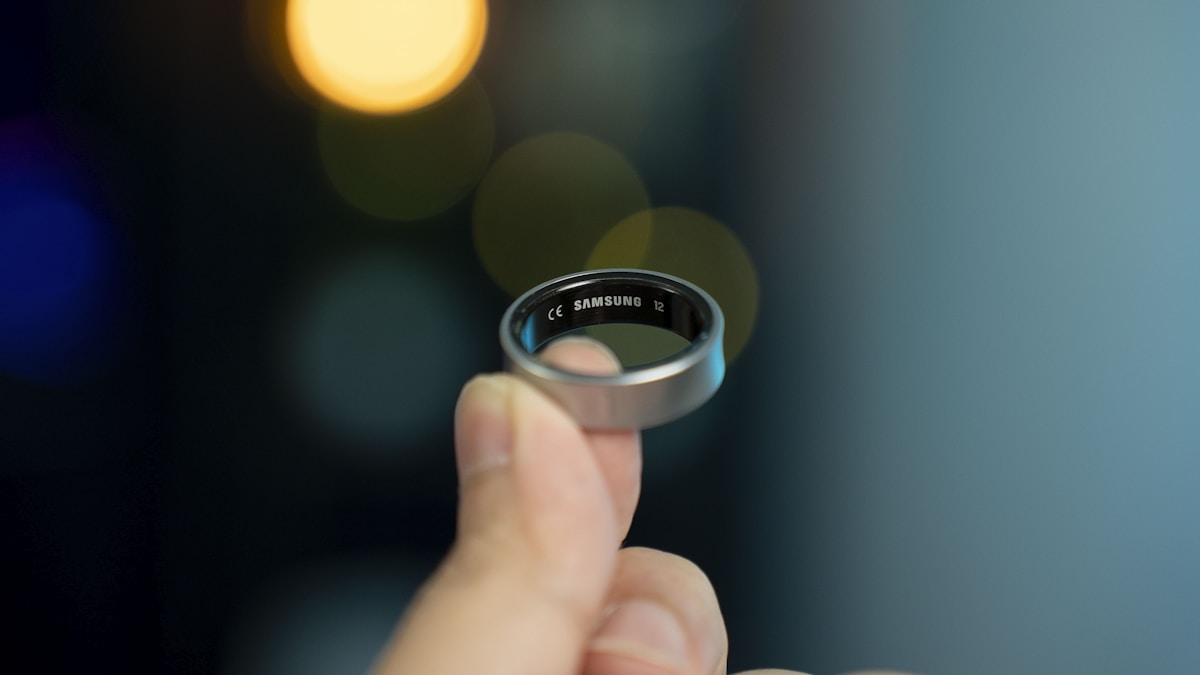
A dark metallic smart ring on a textured surface, representing the last independent hardware in an industry racing toward subscriptions
SubscriptionWearablesConsumer Rights

The No-Subscription Smart Ring Is Not Dead. The Industry Just Wants You to Think So.

Oura filed for IPO. RingConn got pulled from Amazon. Ultrahuman and Luna are banned in the US. A Reddit user asked if the no-subscription smart ring dream is dead. It is not. But the remaining options are smaller, founder-led, and built on economics that venture capital hates.

James Hoffmann James Hoffmann
May 25, 2026 11 min read
A digital lock concept representing how wearable companies trap user health data behind proprietary APIs and subscriptions
ApiData PortabilitySubscription

The API Trap: How Wearable Companies Make Your Health Data Disappear When You Cancel

Most wearable APIs are not built for you. They are built for partners who build features that keep you subscribed. Here is how the data lock-in actually works, and how Pulsyn does the opposite.

James Hoffmann James Hoffmann
May 24, 2026 13 min read