9 posts found
Smart rings claim 'continuous' heart rate monitoring. The physics of photoplethysmography and a 20 milliamp-hour battery make that impossible. Here is the duty cycle nobody talks about, and why Pulsyn shows the gaps instead of hiding them.
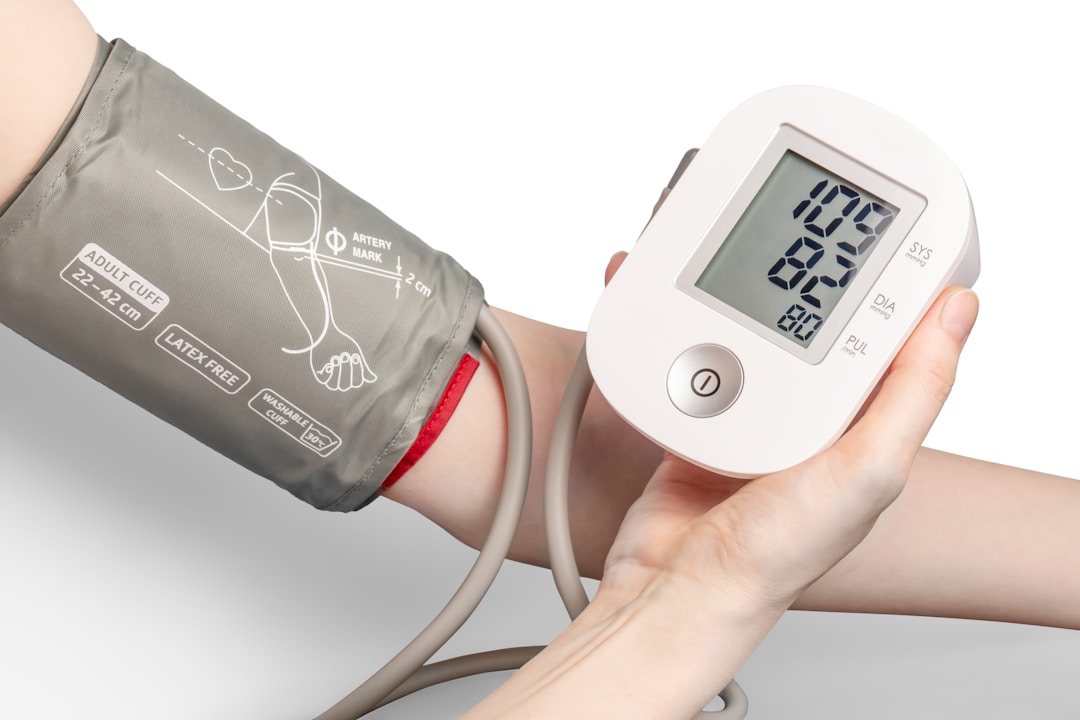
Blood pressure is a force measurement, not a volume measurement. A PPG sensor in a smart ring tracks blood volume, not pressure. Here is why that gap cannot be closed with machine learning alone, and why Pulsyn will not ship a blood pressure estimate until the physics actually works.
Most smart rings treat a 20-minute afternoon nap as either deep sleep or a complete miss. The reason is not a bug. It is a fundamental mismatch between how actigraphy guesses sleep stages and how naps actually work.
Most smart ring manufacturers advertise 7-day battery life. That number comes from a test mode where the heart rate monitor is off and the wearer is asleep. In real use, the gap between marketing and physics is about 40 percent.
The FDA's 19-page general wellness policy lets smart ring companies skip clinical validation entirely. Every wearable you have heard of lives inside that loophole. The difference between wellness and medical is not a matter of degree. It is a matter of whether anyone tested the accuracy before it shipped.
Oura launched the Ring 5 at $499 with a mandatory subscription and a new AI coach fee. Over three years, the cheapest configuration totals $715. Here is the math, and why Pulsyn is building the alternative.
Ultrahuman Ring Pro just cleared US customs after an Oura patent block and is selling at $479 with no subscription. That price validates Pulsyn's entire thesis: on-device health tracking should not cost more than a flagship smartphone.
The smart ring market is splitting into three species: premium health platforms, single-purpose tools, and subscription-hungry AI wrappers. Pebble's Index 01 proves the divergence is real.
Oura filed for IPO. RingConn got pulled from Amazon. Ultrahuman and Luna are banned in the US. A Reddit user asked if the no-subscription smart ring dream is dead. It is not. But the remaining options are smaller, founder-led, and built on economics that venture capital hates.