Why I Cut the Morning Score That Made People Feel Behind


Why I Cut the Morning Score That Made People Feel Behind
I'm James Hoffmann, 22, building Pulsyn in Phoenix. Rune 1 is pre-launch and planned to ship Q3 2026, priced at $200 one-time with no subscription and a $20 reservation at pulsyn.tech. This is a note on one small decision that changed how I think about scores.
The morning I dreaded my own product
For three weeks in June I wore our test unit to bed and checked the prototype app before coffee. One morning it showed a single red grade, a 42 with a warning color and a line that said recovery was poor.
I had slept six hours and twenty minutes after a late build night. My resting heart rate was up about four beats over my baseline and my HRV trend was down. I knew the inputs. I still skipped my run, not because my legs were tired but because the number made the day feel already lost.
That bothered me. I'm the person building this thing and I let one color change my plan. If I reacted that way, someone with a job, kids, and broken sleep would too. We were measuring sleep and strain, but we were also adding shame we did not intend.
What we kept for Rune 1
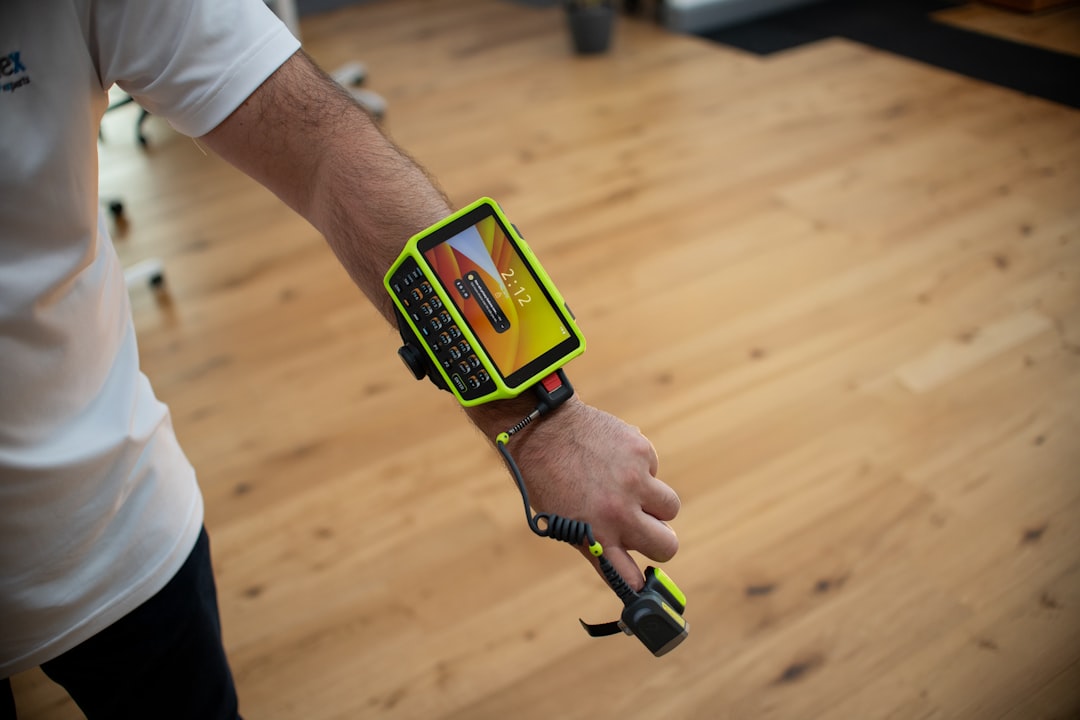
Photo by Bluestonex on Unsplash
We did not drop scores. Readiness, Strain, and Body Battery all ship in Q3 2026. We dropped the single judgment grade that collapsed everything into good or bad.
What stayed is plainer. Readiness shows last night's inputs next to the number: sleep duration, resting heart rate change, HRV trend, and yesterday's Strain. Strain shows what you did, not what you should have done. Body Battery shows estimated energy through the day based on sleep and activity load.
No red banner. No rank. If Readiness is low, the screen lists likely drivers in order, like short sleep plus late-day caffeine noted in the log, and suggests a smaller target instead of rest as punishment. The copy went through four rewrites in Phoenix morning testing because phrases like poor recovery kept making testers feel behind before 7 a.m.
How North explains a low day
Photo by LOGAN WEAVER | @LGNWVR on Unsplash
North is our assistant in the app. When Readiness dips, it does not repeat the number louder. It gives one sentence of context and one option.
A real example from my log last month: six hours and ten minutes in bed, two wakeups, resting heart rate up three beats. North said sleep was short and broken, so today's capacity looks lower, and suggested a 20 minute walk instead of intervals, with tonight's wind-down kept the same.
Under the hood that runs on on-device Qwen 3.5 fine-tunes at 0.8B and 4B through llama_cpp_dart for private baseline work, with cloud help from DeepSeek V4 Flash and Pro via Fireworks.ai when you ask a harder question. The point is not where it runs. The point is it talks like a training partner, not a judge.
I still check my numbers most mornings. The difference now is I act on them. A low Readiness day means I pick the smaller workout and protect bedtime. A high Strain week means I plan one easier day. That's the whole job of a ring: give you clearer inputs so you can choose, then get out of the way.