Skip to content
Back to all posts

Posts tagged: How It Works

14 posts found

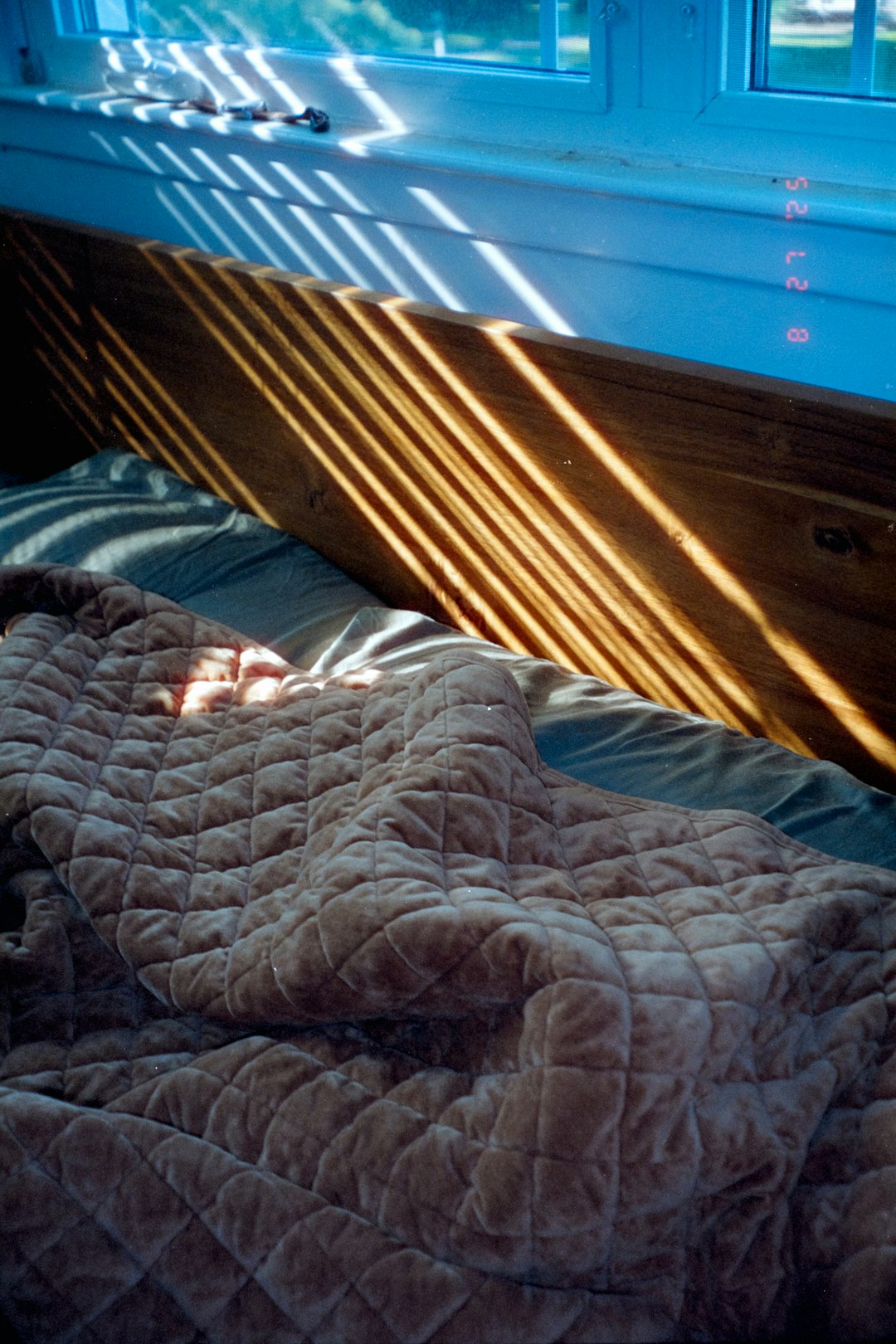
Morning sunlight through blinds falling across an unmade bed, showing the moment a low sleep score lands

Sleep · Rune 1 · How It Works

Why I Cut the Morning Score That Made People Feel Behind

During Rune 1 testing I kept skipping workouts after a red morning grade. Here is why I removed that single judgment score and what we kept instead for our Q3 2026 pre-launch.

James Hoffmann James Hoffmann
Sep 13, 2026 1 min read
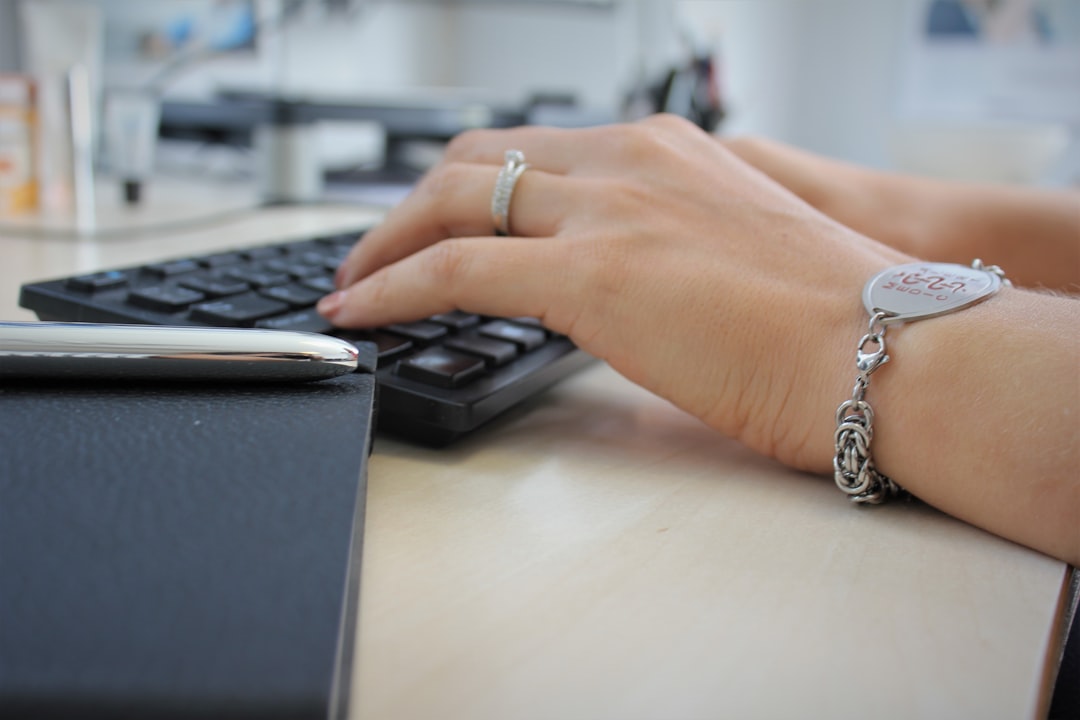
Close view of a hand with a silver ring typing on a black keyboard, showing everyday office strain tracked by wearables

Stress · Wearables · How It Works

How Your Smart Ring Estimates Stress When It Can't Measure Cortisol

No smart ring measures cortisol directly. This explainer breaks down how rings infer stress from HRV, resting heart rate, temperature, and motion, and why coffee, workouts, and bad sleep can look like stress.

James Hoffmann James Hoffmann
Sep 12, 2026 1 min read
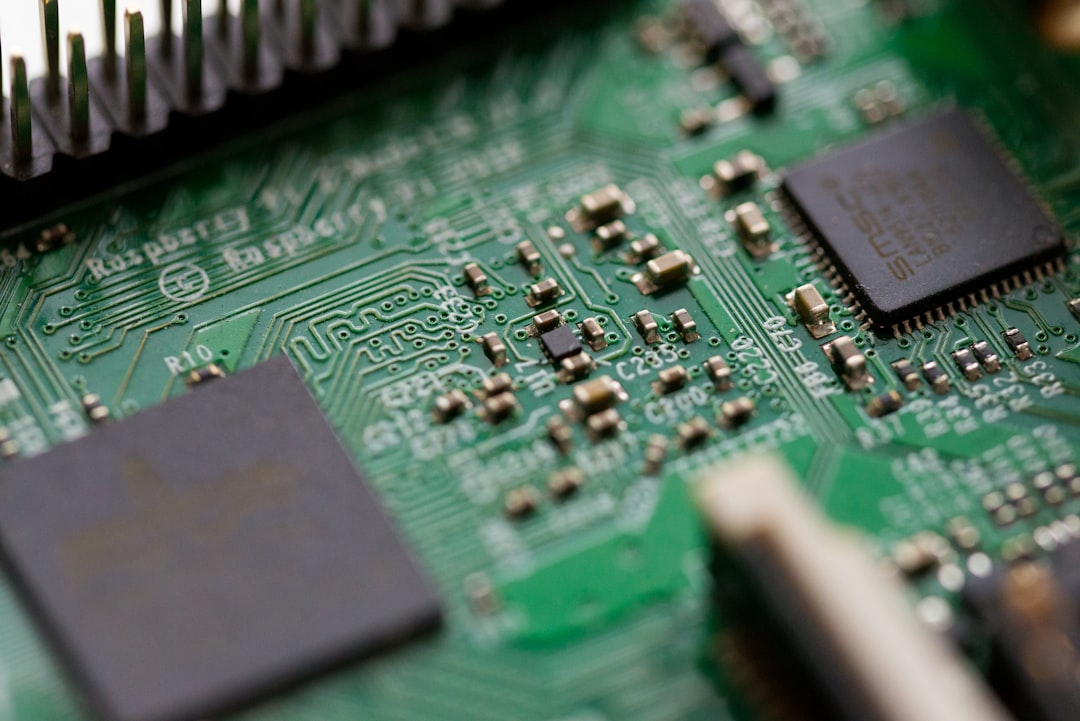
Tilt-shift view of green motherboard circuits showing power routing constraints in compact electronics

Wearables · How It Works

Smart Ring Battery Life Is a Sampling Rate Tradeoff Nobody Lists on the Spec Sheet

A smart ring that promises 7 days does it by sampling less often. Here is how LED duty cycle, sampling rate, and sleep averaging interact, and what to check before you trust the numbers.

James Hoffmann James Hoffmann
Sep 10, 2026 1 min read
Close-up of a silver ring worn on a finger, showing how sensor contact and fit affect optical heart rate readings

Wearables · How It Works · Hrv

Why Tattoo Ink Breaks Your Smart Ring's Green Light Sensor

Tattoo ink sits in the same skin layer your smart ring tries to read. Here is why dark ink absorbs green PPG light, when red and infrared do better, and what to check if your ring finger is tattooed.

James Hoffmann James Hoffmann
Sep 10, 2026 1 min read
A transparent glass cube on a table, representing algorithmic clarity and openness in health technology

Research, Explained · Wearables · How It Works

89% of Smart Ring Studies Use Algorithms Nobody Can See: The Transparency Crisis in Wearable Health

A new systematic review finds 89% of smart ring studies rely on proprietary algorithms that nobody outside the company can inspect. Here is what that means for the data on your wrist (or finger).

James Hoffmann James Hoffmann
Jun 25, 2026 1 min read
An oscilloscope display showing a clean waveform, representing the textbook PPG signal that smart rings almost never actually capture during motion

Wearables · How It Works · Hrv

What Your Smart Ring's Heart Rate Data Looks Like After You Move: Motion Artifacts, Adaptive Filters, and the Signal You Never See

Your smart ring's PPG sensor produces clean heart rate data roughly 40 percent of the time. The other 60 percent is a signal that has been through an adaptive filter, and what comes out is a reconstruction. Here is what actually happens inside the chip when you wave your hand.

James Hoffmann James Hoffmann
Jun 18, 2026 1 min read
Frost-covered hands in cold weather. The same vasoconstriction that makes your fingers cold also breaks your smart ring optical sensor.

Wearables · How It Works · Hrv

Why Your Smart Ring Fails in Cold Weather: The Vasoconstriction Problem Nobody Mentions

Your smart ring's PPG sensor stops working properly when your fingers get cold. Vasoconstriction reduces blood flow to your extremities, and the data quality drops by 50 percent or more. I spent a winter measuring exactly how much, and the numbers are worse than the industry admits.

James Hoffmann James Hoffmann
Jun 15, 2026 1 min read
A runner training outdoors, with the kind of aerobic effort that wearables try to use for VO2 max estimation through submaximal heart rate analysis

Wearables · How It Works · Hrv

Why Your Wearable's VO2 Max Estimate Is Probably Wrong (and What the Studies Actually Say)

Every running watch and fitness tracker claims to estimate your VO2 max. But the number on your wrist and the number from a gas exchange analyzer are different things. Here is what the validation studies actually measure, and why your wearable is probably off by 10 to 15 percent.

James Hoffmann James Hoffmann
Jun 14, 2026 1 min read
A night owl perched in darkness, illustrating the biological reality that not everyone is wired for early sleep — something no smart ring sensor can detect

Sleep · Wearables · How It Works

The Chronotype Problem: Why Your Smart Ring's 'Optimal Bedtime' Is Wrong for Half the Population

Your smart ring tells you to sleep at 9:30 PM because your heart rate dropped. But it does not know whether your brain produces melatonin at 9:30 PM or midnight. Chronotype, the genetic wiring that makes you a lark or a night owl, is ignored by every bedtime guidance feature on the market.

James Hoffmann James Hoffmann
Jun 11, 2026 1 min read