Skip to content
Back to all posts

Posts tagged: Activity & Movement

5 posts found

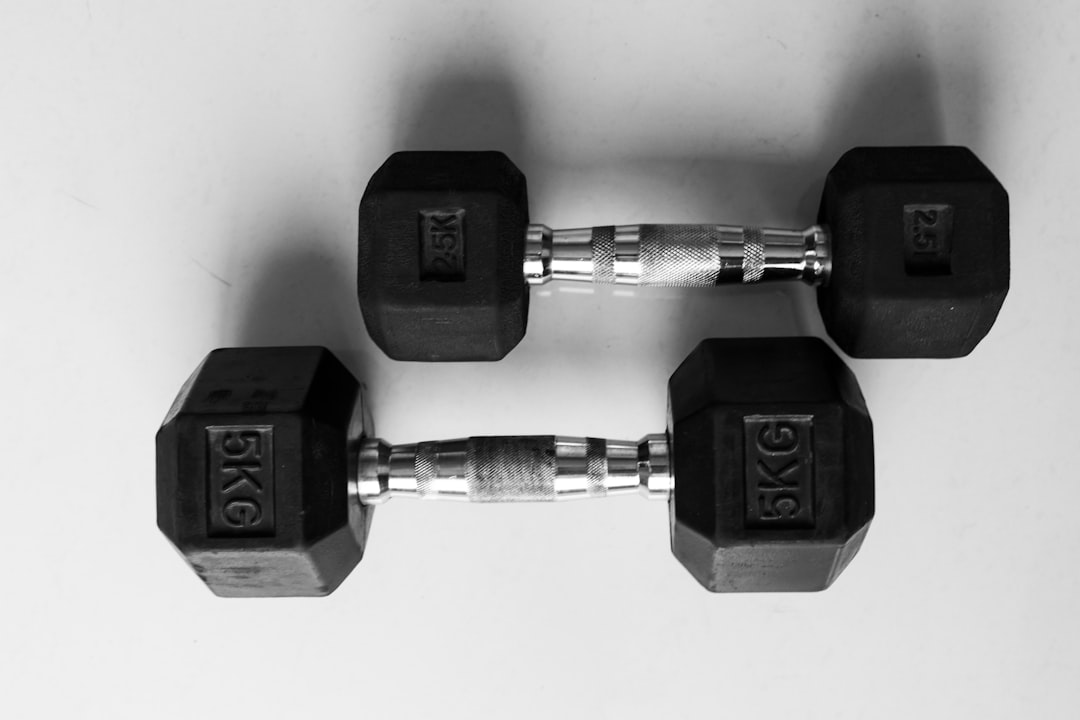
Close-up of black dumbbells stacked in a gym, representing the grip load that compresses finger tissue during weightlifting

Activity & Movement · Wearables · Hrv

Why Weightlifting Breaks Your Smart Ring's Heart Rate Reading

Your heart rate looks fine on a run but jumps, drops, or flatlines during lifting. The cause is mechanical: grip tension squeezes blood out of your finger while motion shakes the optical path. Here is what is happening and how to get cleaner data.

James Hoffmann James Hoffmann
Sep 10, 2026 1 min read
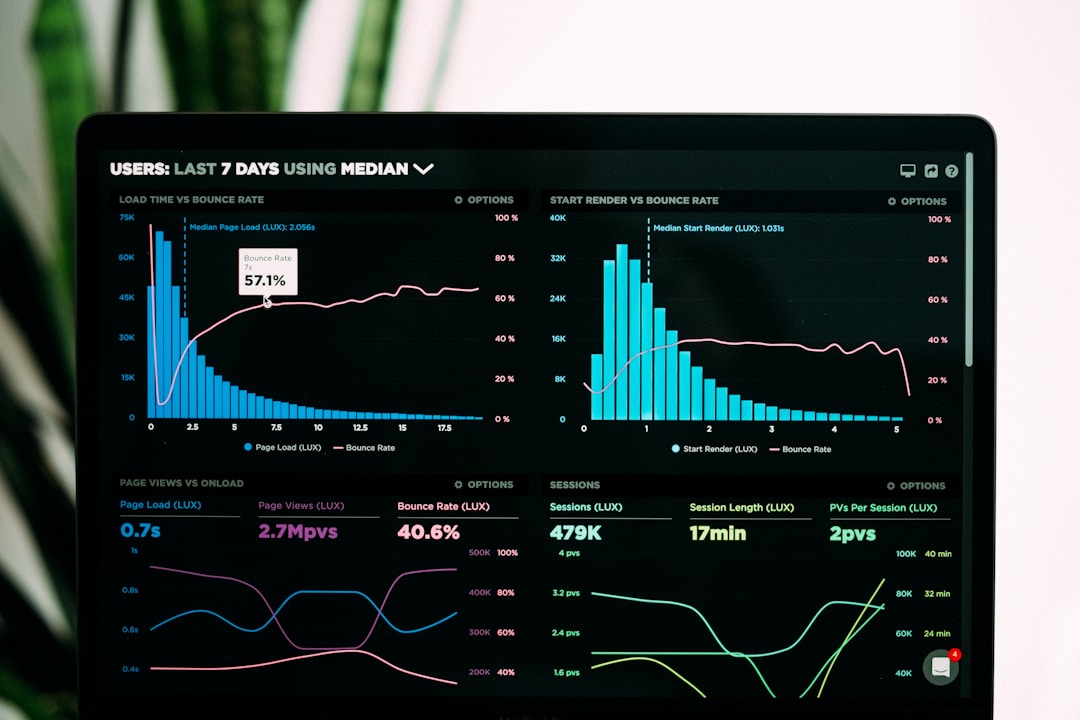
A data visualization dashboard showing charts and graphs. The kind of population statistics that power wearable health age scores, but which do not represent any individual accurately.

Activity & Movement · On Device Ai · Wearables

What 'Health Age' Actually Means and Why Pulsyn Doesn't Use It

Most wearables give you a health age or body age score that compares your biometrics to a population average. The math is a regression model, not a medical diagnosis. Pulsyn does not show one because the number is statistically invalid for the individual reading it.

James Hoffmann James Hoffmann
Jun 6, 2026 13 min read
A runner on a track at sunset, the exact scenario where smart ring heart rate tracking fails due to finger blood flow physics

Activity & Movement · Wearables · Hrv

Why Smart Rings Are Bad at Workout Tracking, and the Physics of Finger Blood Flow

Smart rings promise workout tracking, but the physics of finger blood flow makes PPG nearly useless during exercise. Here is why the heart rate data is often fabricated, and why Pulsyn does not pretend otherwise.

James Hoffmann James Hoffmann
Jun 3, 2026 13 min read
A person walking on a forest path, the kind of everyday movement that step counters attempt to measure

Activity & Movement · Wearables

What Your Step Count Actually Means and Why 10,000 Is a Marketing Number

The 10,000 step goal was invented in 1965 by a Japanese pedometer company. It had no clinical basis then and has only weak evidence now. Most wearables count steps using flawed accelerometer guesswork, which means your 8,000 step day and your friend's 8,000 step day are not the same health outcome.

James Hoffmann James Hoffmann
May 31, 2026 13 min read
A person running on a treadmill in a lab setting, the exact environment where Stanford tested fitness trackers against clinical calorimeters

Activity & Movement · Research, Explained · Wearables

Why Your Wearable's Calorie Count Is Wrong by 27 to 93 Percent

A Stanford study tested seven fitness trackers against clinical instruments. Heart rate was accurate. Energy expenditure was off by 27 to 93 percent on every device. The calorie number on your screen is not a measurement. It is a guess.

James Hoffmann James Hoffmann
May 30, 2026 15 min read