Why Weightlifting Breaks Your Smart Ring's Heart Rate Reading

Why Weightlifting Breaks Your Smart Ring's Heart Rate Reading
If you wear a smart ring to the gym, you have seen it. Steady 72 bpm while you rest, then 142, then 58, then no reading at all in the middle of a set of deadlifts. Your heart did not do that. Your sensor lost the signal.
Running gives a PPG sensor an easy job. Lifting gives it three hard problems at once: less blood to see, more motion to reject, and pressure that changes the optical path. Once you see the mechanism, the bad readings stop being mysterious.
How a finger PPG signal actually works

Photo by Sander Weeteling on Unsplash
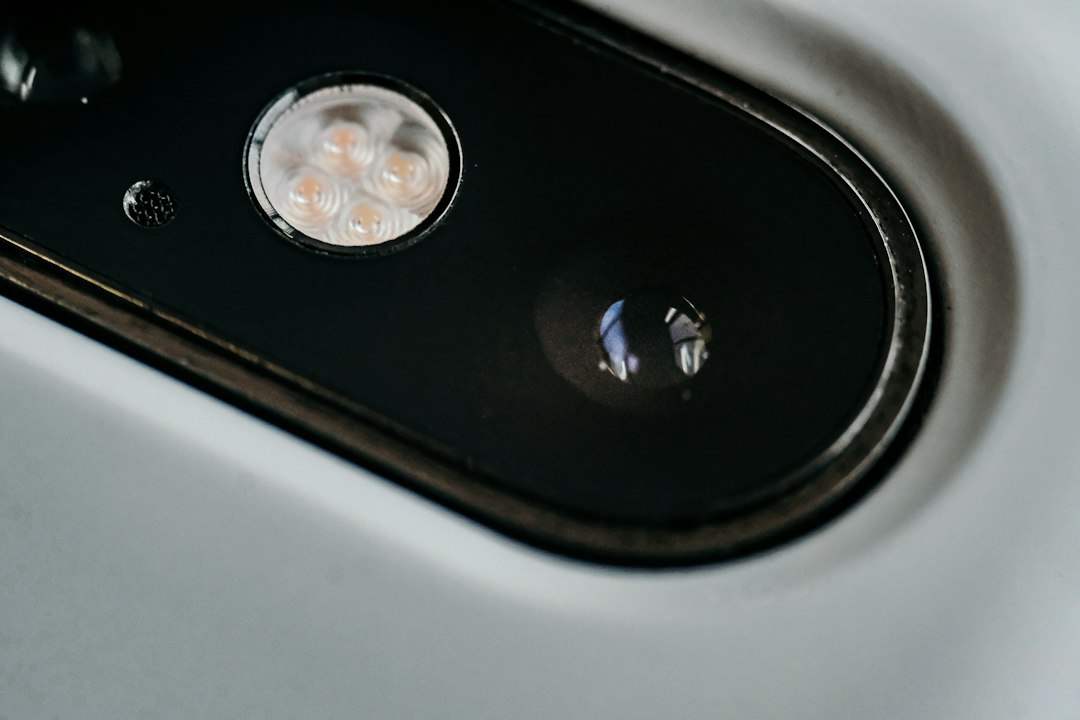
A smart ring shines green light into the finger and measures what bounces back. Blood absorbs green well, so each heartbeat shows up as a small dip in reflected light as a pulse of blood passes through the capillaries.
That pulse is tiny. At rest the useful variation is often around 1 to 2 percent of the total light signal. The ring finds heartbeats by looking for that repeating shape amid noise from breathing, small movements, and ambient light leak.
The finger is a good site at rest because it has dense capillaries close to the surface and the ring holds the optics still. Under load, both advantages go away.
Why a hard grip starves the signal

Photo by With Mahdy on Unsplash
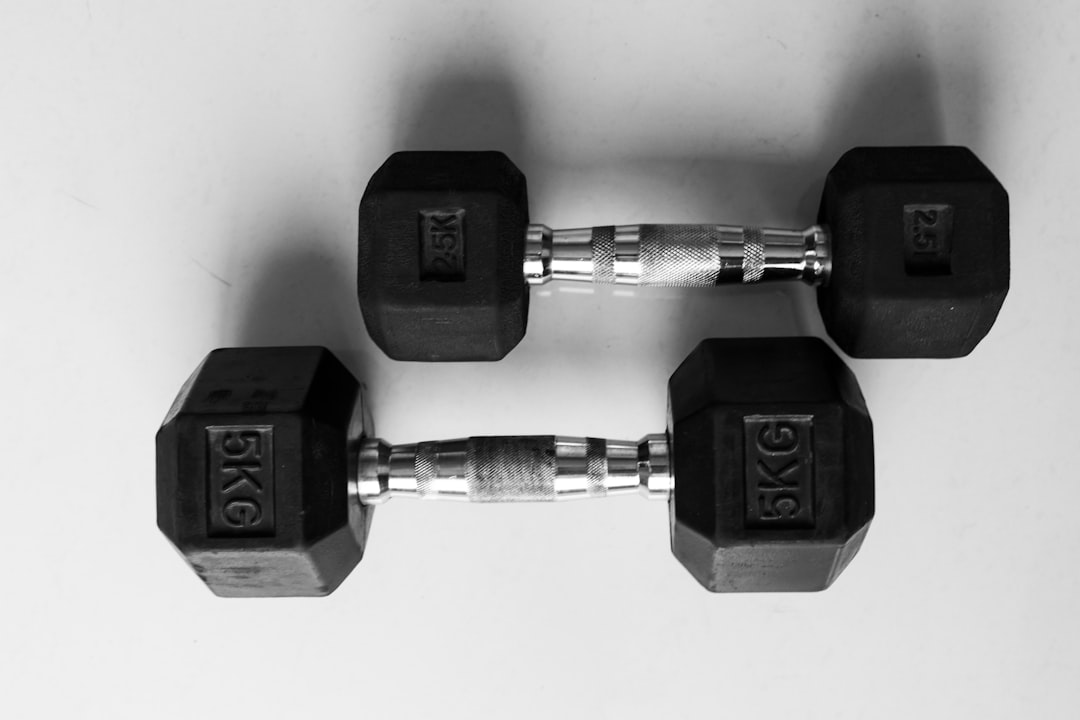
Squeeze a bar hard and you compress the tissue in your fingers. That compression pushes blood out of the capillaries right where the sensor looks. Less blood means a smaller pulse variation for the detector to find.
Physiologists call this capillary occlusion. You do not need full occlusion to break the reading. Even partial pressure drops the pulsatile component while the non-pulsatile baseline stays high, so the signal-to-noise ratio falls fast.
Grip also tenses forearm muscles and raises local venous pressure. Veins swell, the DC baseline shifts, and the auto-gain circuit has to chase a moving target. During a 10 second heavy set, gain often cannot settle before the set ends.
Then add motion. The bar rolls slightly, the ring rocks, and the distance between LED and skin changes by fractions of a millimeter. That creates large brightness swings at the same frequencies as a heartbeat. Accelerometer-based cancellation helps, but it was tuned mostly for rhythmic motion like steps, not the sharp, irregular jolts of a clean or a press.
The result is predictable: undercounted beats when small pulses fall below threshold, overcounted beats when motion spikes look like pulses, and gaps when the algorithm decides nothing is clean enough to report.
Why watches often look better under the bar
This is one case where wrist watches have a structural edge. A tight sport band sits over thicker tissue with larger vessels, and the forearm does not squeeze as directly as the finger gripping steel.
Rings sit exactly where grip force concentrates. The index and middle fingers take most of the load in a pull, and many people wear rings on those fingers. The sensor ends up between a barbell knurl and a contracting flexor tendon, which is about the worst place to look for a delicate light signal.
That does not mean wrist data during lifting is perfect. It has its own tendon and muscle motion problems. It just fails less often because the optics are not being pinched shut with every rep.
What to do if you lift and track
Do not trust minute-by-minute heart rate from a ring during working sets. Treat rest periods between sets as the usable data. Blood returns within seconds after you release the bar, and the signal usually locks again in 5 to 15 seconds.
Three small changes help. First, wear the ring on a finger that grips less hard if you can, often the pinky side hand placement or a non-dominant hand for machines. Second, keep the fit snug but not jammed. A loose ring slides and lets light leak, while an overly tight ring adds its own occlusion. Third, log sets with a chest strap if you want true intra-set heart rate. Optical finger sensing cannot match electrical detection when the capillary bed is squeezed empty.
For strength work, heart rate is also the wrong metric to obsess over. Resting heart rate that morning, session duration, and how fast your pulse settles between sets tell you more about load and recovery than a noisy peak number mid-set.
Bad lifting data is not proof the sensor is broken. It is proof the method has limits. Green PPG needs still tissue full of pulsing blood. A hard grip gives it moving tissue with the blood squeezed out.