Oura Raised Prices Again and the Math Now Favors No-Subscription Rings


Oura Raised Prices Again and the Math Now Favors No-Subscription Rings
I don't know Oura's next list price, and I won't pretend this is a confirmed price leak. The news signal is simpler: buyers are tired of paying for hardware and then paying again each month to see their own scores.
That fatigue changes the math. A ring that costs less up front can cost a lot more by year two if Readiness and sleep insights sit behind membership.
How the subscription math changed
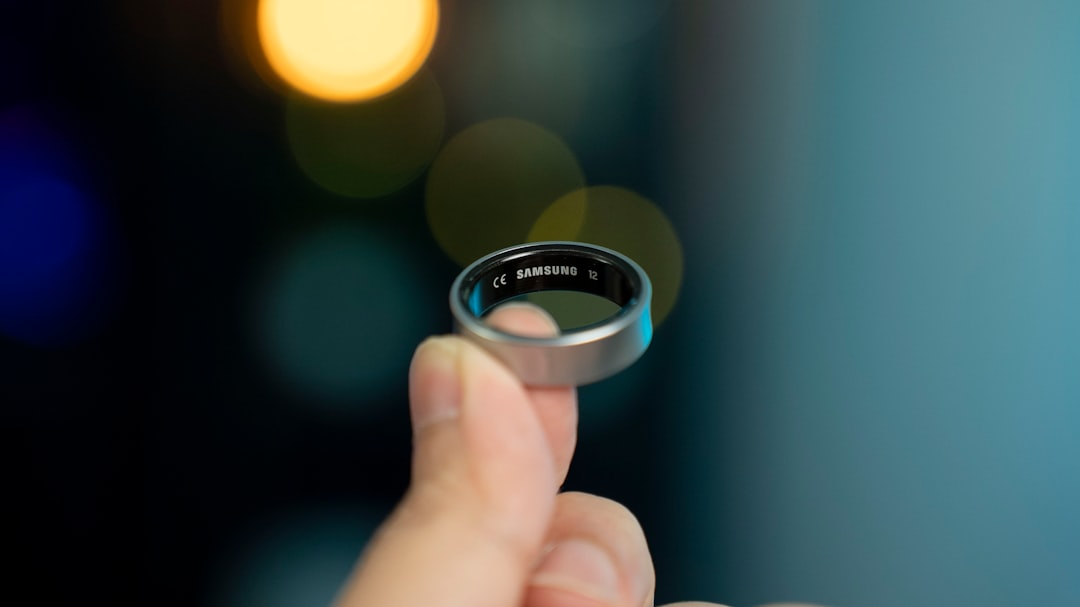
Photo by Amanz on Unsplash
Take a $200 one-time ring with no subscription. After 12 months you have paid $200. After 24 months you have still paid $200.
Now take a model that pairs $300 to $400 in hardware with $6 to $12 per month for full reports. At $6 per month that's $72 per year. At $12 per month that's $144 per year. Over two years the membership alone adds $144 to $288 on top of the ring.
I can't verify every reader's exact plan price, since plans and promos shift. The point holds without exact cents: recurring fees turn a wearable into rent, not ownership.
What you lose when you stop paying
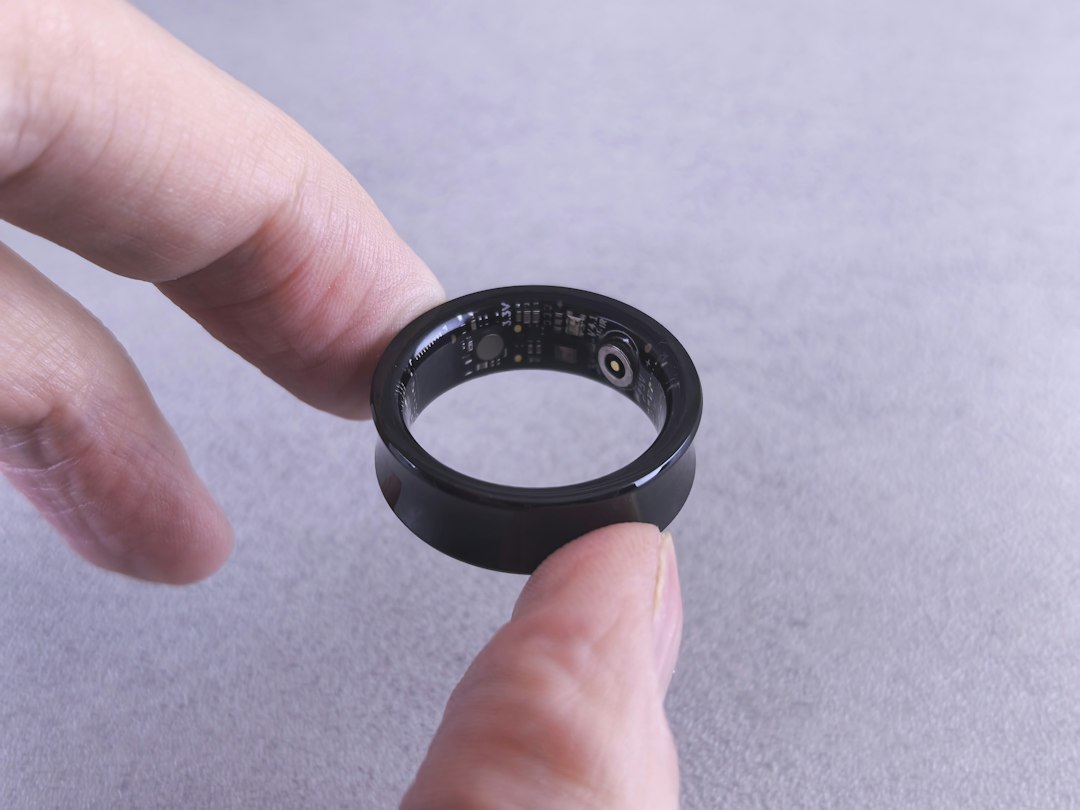
Photo by Andrey Matveev on Unsplash
This is the part that bothers me more than the dollars. With several leading rings, cancel the membership and you don't just lose a new feature. You lose trend views, detailed sleep staging history, and scored recovery summaries you already recorded.
The sensor still saw your finger. The app just won't show you what it found unless you keep paying.
That's a strange deal for health data. You wore the device, you charged it, you generated the nights of data, but access ends when billing ends. If you're comparing rings this fall, ask one direct question before you reserve: which scores stop working if I cancel?
Why Pulsyn priced Rune 1 differently
We're building Pulsyn Rune 1 as a $200 one-time purchase with no subscription ever. A $20 reservation holds a spot in the reservation queue ahead of our planned Q3 2026 ship. It's pre-launch now, so you can't buy or use it today.
We did that because scores should not be rented. Planned ship features include Readiness, Strain, and Body Battery in Q3 2026, plus on-device help from North, our assistant. Cloud processing uses DeepSeek V4 Flash and Pro via Fireworks.ai when needed, and on-device work uses Qwen 3.5 fine-tunes at 0.8B and 4B.
If you want the full detail set, it's at pulsyn.tech. No membership math required.