6 posts found
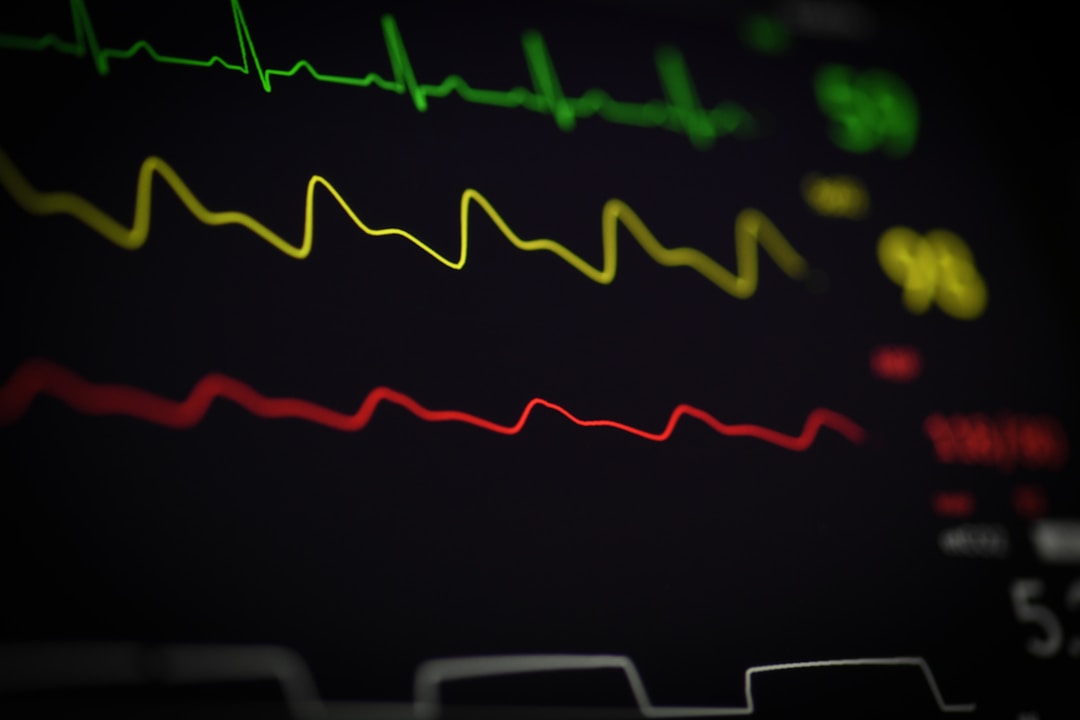
The Apple Watch measures electrical voltage. Every smart ring measures light bouncing off blood. These are two different physical phenomena, and the ring form factor makes ECG impossible with current technology.
Smart rings claim 'continuous' heart rate monitoring. The physics of photoplethysmography and a 20 milliamp-hour battery make that impossible. Here is the duty cycle nobody talks about, and why Pulsyn shows the gaps instead of hiding them.
Most wearables compute a stress score by running your heart rate through a black box. Pulsyn does the same thing, but the weights are public, the math is in the repository, and the app tells you exactly how confident it is. Here is the full breakdown.
Most wearables report resting heart rate as the lowest heart rate they can find, usually during sleep. The clinical definition is different. Pulsyn measures it during motionless awake periods, and the gap between the two definitions is often 10 to 15 beats per minute.
Smart rings promise workout tracking, but the physics of finger blood flow makes PPG nearly useless during exercise. Here is why the heart rate data is often fabricated, and why Pulsyn does not pretend otherwise.
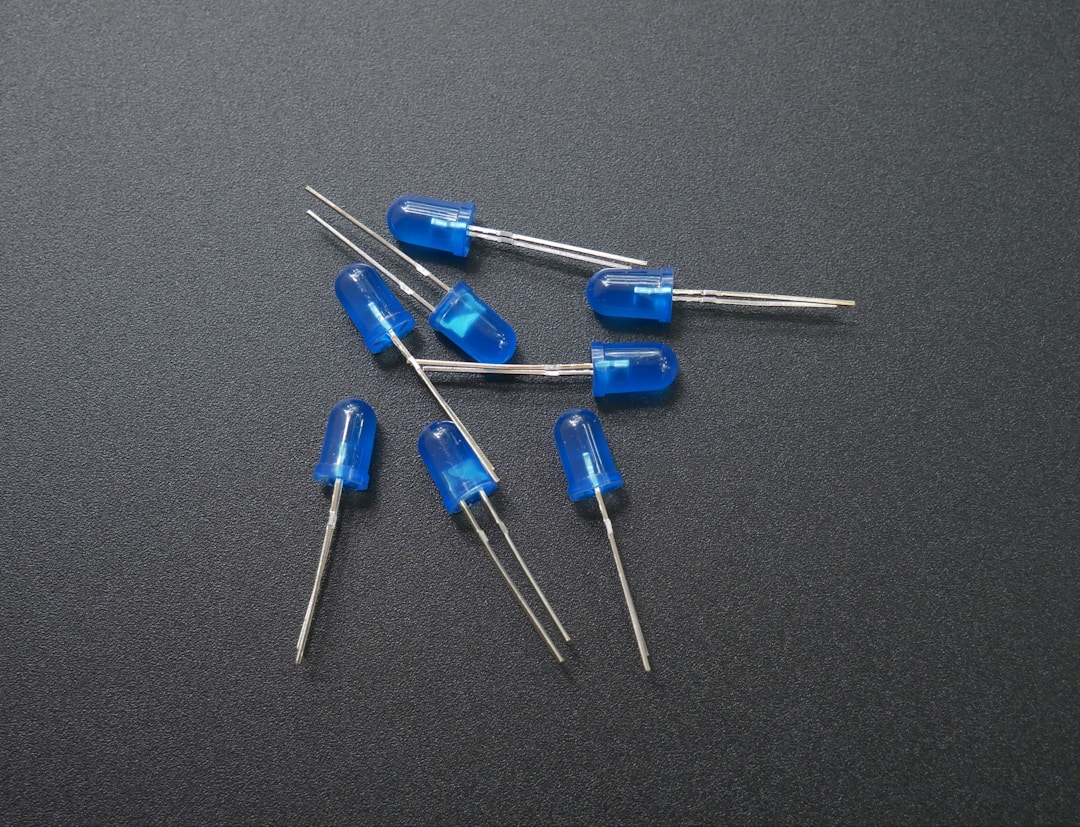
Most smart rings shine light into your finger and count the bounces. The ones that do it well sample at 100 Hz or higher, use green and infrared LEDs in a specific geometry, and process the signal before it ever reaches a server.