Skip to content
Back to all posts

Posts tagged: Sleep

22 posts found

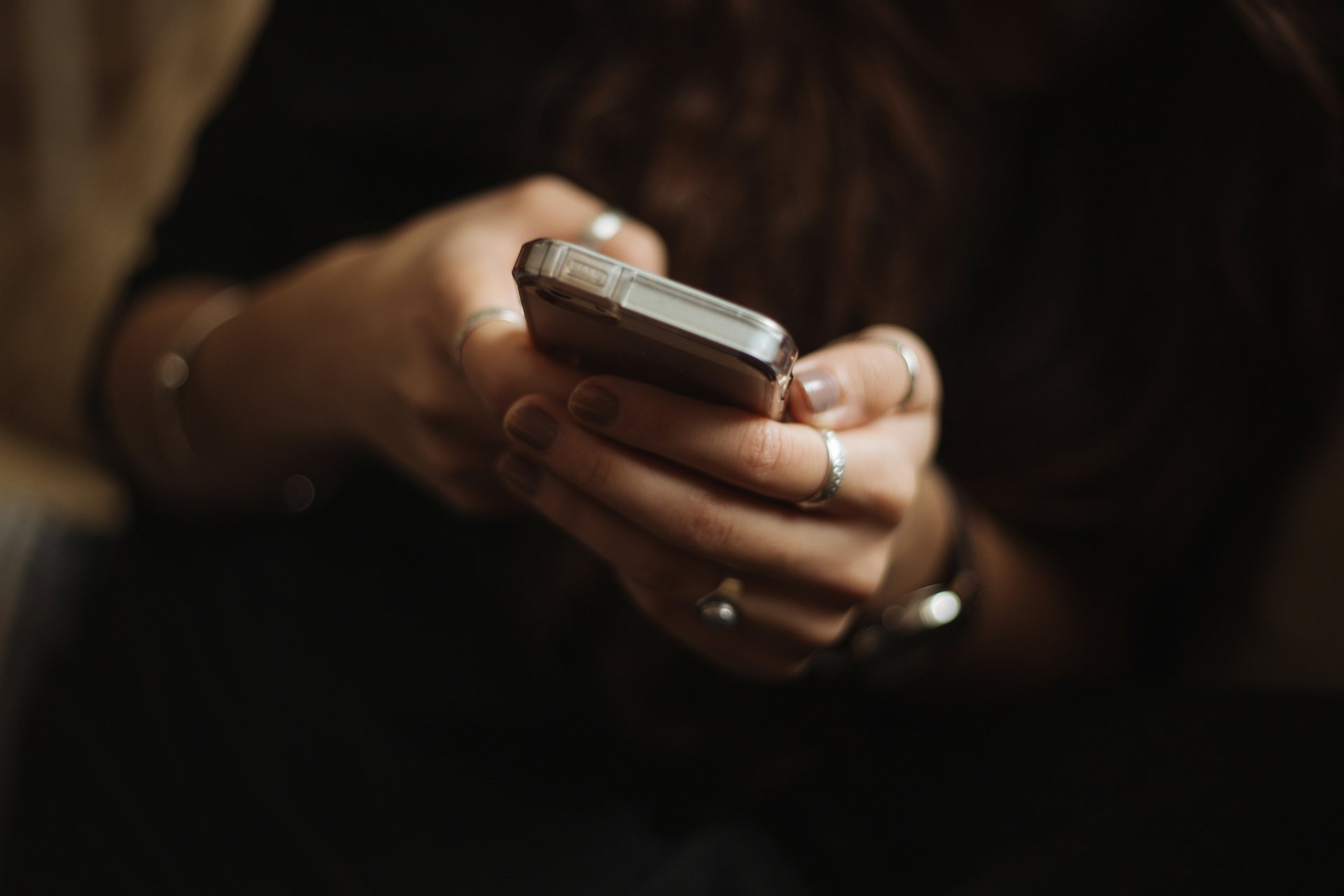
A person holding a phone with a health dashboard visible, looking stressed rather than informed

Stress · Sleep · Recovery

When Your Health Tracker Makes You Anxious: The Rise of Health Tracking Anxiety

A growing body of research shows that wearables and wellness apps can increase stress and trigger obsessive behaviors. Here is what health tracking anxiety looks like, why the industry does not talk about it, and what Pulsyn does differently.

James Hoffmann James Hoffmann
Jun 16, 2026 1 min read
A dark bedroom with a person lying awake in bed, the kind of scene orthosomnia creates for people who obsess over sleep tracker data

Sleep · Wearables

Your Smart Ring Might Be Causing Your Insomnia

Your sleep tracker tells you how badly you slept every morning. For a growing number of people, that number is the reason they can't sleep at all. The condition has a name: orthosomnia.

James Hoffmann James Hoffmann
Jun 15, 2026 1 min read
A person wearing a smart ring while sleeping, with a digital overlay showing temperature and heart rate data patterns used for early illness detection

Sleep · On Device Ai · Wearables

Can Your Smart Ring Detect Illness Before You Feel Symptoms

A March 2026 Nature study found that sleep and temperature data from consumer wearables can detect diabetes with 73% accuracy. The sensors are already in your smart ring. The companies selling them are not using them for this.

James Hoffmann James Hoffmann
Jun 13, 2026 1 min read
A person hitting an alarm clock after insufficient sleep, representing the false promise of catching up on rest

Sleep · Wearables

The Sleep Debt Problem: Why Your Wearable's 'Hours Behind' Number Is a Fiction

Your wearable thinks sleep is a bank account. Sleep six hours instead of eight, and your app tells you you're 'two hours behind.' This is not how sleep works. Sleep is regulated by two biological processes that do not use arithmetic, and the idea that you can store or repay hours is a marketing fiction.

James Hoffmann James Hoffmann
Jun 12, 2026 1 min read
A night owl perched in darkness, illustrating the biological reality that not everyone is wired for early sleep — something no smart ring sensor can detect

Sleep · Wearables · How It Works

The Chronotype Problem: Why Your Smart Ring's 'Optimal Bedtime' Is Wrong for Half the Population

Your smart ring tells you to sleep at 9:30 PM because your heart rate dropped. But it does not know whether your brain produces melatonin at 9:30 PM or midnight. Chronotype, the genetic wiring that makes you a lark or a night owl, is ignored by every bedtime guidance feature on the market.

James Hoffmann James Hoffmann
Jun 11, 2026 1 min read
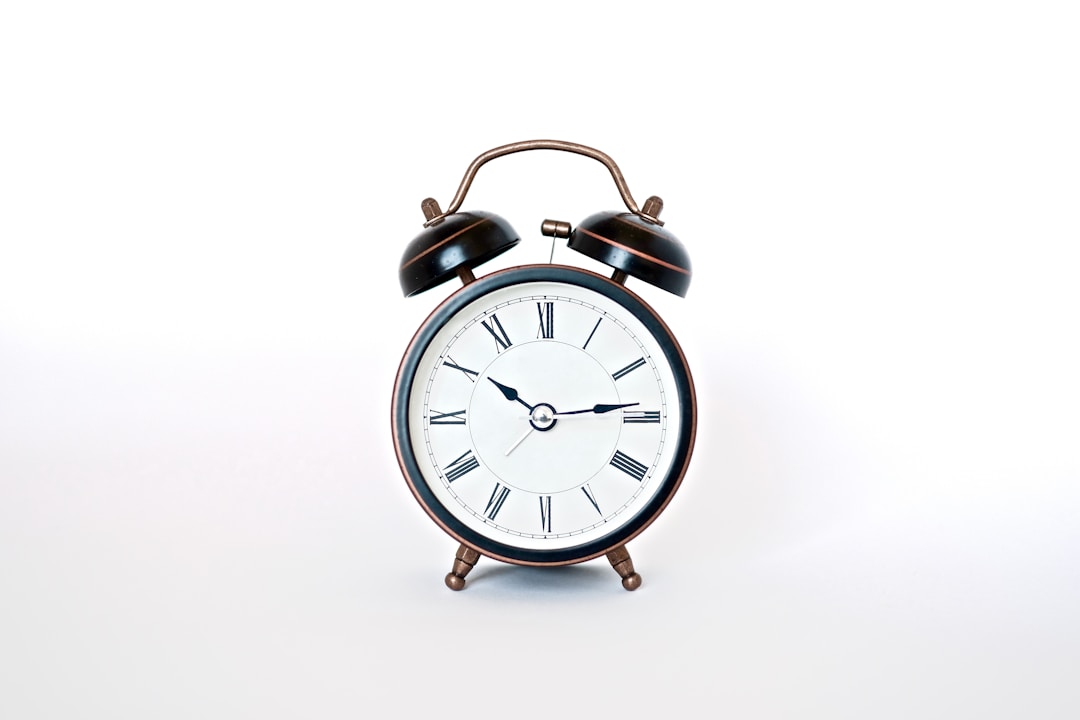
An alarm clock on a bedside table in soft morning light, showing the gap between weekday wake times and weekend sleep schedules

Sleep · Research, Explained · Recovery

The Social Jetlag Problem: Why Your Weekend Sleep Schedule Is Wrecking Your Recovery Score

Most wearables score Monday morning as poor recovery when the real problem is that their algorithm does not know what time your brain thinks it is. Social jetlag shifts your circadian clock by one to two hours every weekend. The recovery score does not.

James Hoffmann James Hoffmann
Jun 10, 2026 15 min read
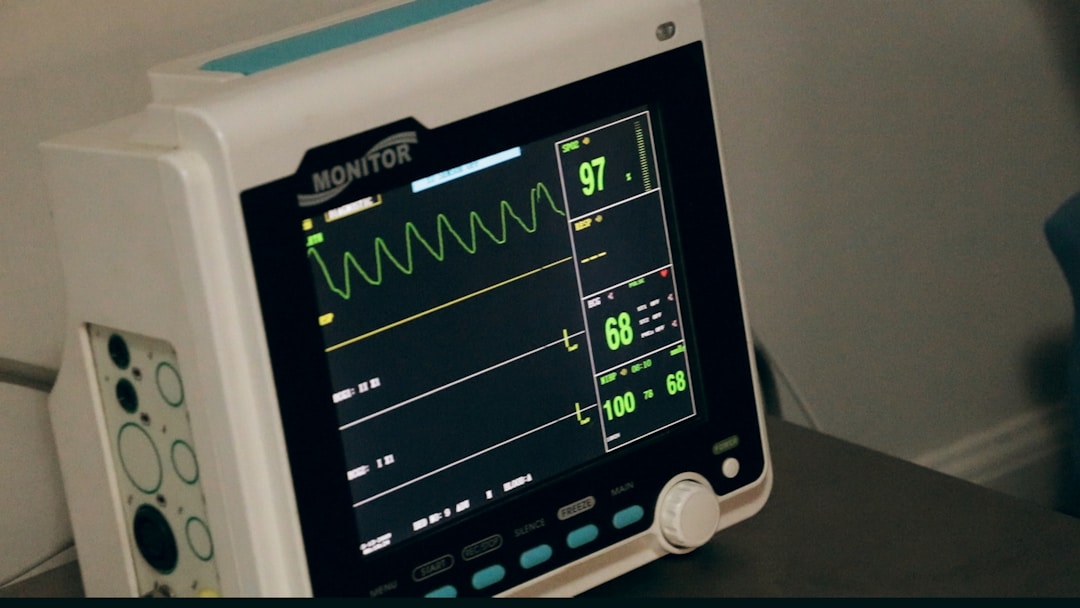
A medical sleep study room with monitoring equipment and sensors, the gold standard for measuring sleep stages that smart rings attempt to approximate

Sleep · On Device Ai · Wearables

How Smart Rings Calculate Sleep Stages (and Why They're Mostly Guessing)

Your smart ring does not measure sleep stages. It measures heart rate and motion, then guesses. Here's how the guess works, why the industry pretends otherwise, and why Pulsyn tells you the truth.

James Hoffmann James Hoffmann
Jun 8, 2026 14 min read
A person napping in afternoon light on a couch, the exact scenario where most smart rings misclassify sleep stages due to circadian differences

Sleep · Wearables

The Nap Problem: Why Smart Rings Are Bad at Afternoon Sleep, and What the Science Actually Says

Most smart rings treat a 20-minute afternoon nap as either deep sleep or a complete miss. The reason is not a bug. It is a fundamental mismatch between how actigraphy guesses sleep stages and how naps actually work.

James Hoffmann James Hoffmann
Jun 7, 2026 13 min read
A hotel room at night with an unmade bed, representing the unfamiliar environment where the first night effect occurs and sleep trackers get confused

Sleep · Research, Explained · Wearables

How Traveling Breaks Your Sleep Tracker (and Why the First Night Effect Is Real)

The first night effect is a documented neurological phenomenon where half your brain stays awake in unfamiliar environments. Most wearables treat this as a bad night and tank your score. They should be treating it as a different kind of night entirely.

James Hoffmann James Hoffmann
Jun 1, 2026 11 min read