Skip to content
Back to all posts

Posts tagged: On-Device AI

15 posts found

An ECG waveform diagram showing the difference between normal sinus rhythm and the chaotic irregular pattern of atrial fibrillation, illustrating what smart rings try to detect with PPG sensors

On Device Ai · Wearables · Hrv

Your Smart Ring's AFib Detection Is Not Medical Grade. Here Is What It Actually Measures.

Smart rings use PPG sensors to detect patterns that may suggest atrial fibrillation. But PPG-based AFib detection is not medical-grade diagnosis. Here is how it works, what the accuracy actually looks like, and why the Circular Ring 2 with real ECG is the exception.

James Hoffmann James Hoffmann
Jun 26, 2026 1 min read
Prescription medication pills on a dark surface, representing GLP-1 drugs like Ozempic and Wegovy

On Device Ai · Wearables · Hrv

What GLP-1 Drugs Do to Your Smart Ring's Readings

GLP-1 drugs like Ozempic and Wegovy increase your resting heart rate by 2-5 bpm, lower HRV, and change skin temperature. Here is how that breaks every wearable algorithm and why your recovery score is lying to you.

James Hoffmann James Hoffmann
Jun 23, 2026 1 min read
A pregnant woman wearing a smart ring, with abstract biometric data lines flowing around her finger

Sleep · On Device Ai · Wearables

Your Smart Ring Has No Idea You're Pregnant: How Pregnancy Breaks Every Biometric Algorithm

Pregnancy raises your resting heart rate by 10 to 20 bpm, drops your HRV, raises your temperature, and changes your sleep architecture. Every wearable algorithm trained on non-pregnant baselines gets this wrong. Here is what the data actually looks like.

James Hoffmann James Hoffmann
Jun 21, 2026 1 min read
A person wearing a smart ring while sleeping, with a digital overlay showing temperature and heart rate data patterns used for early illness detection

Sleep · On Device Ai · Wearables

Can Your Smart Ring Detect Illness Before You Feel Symptoms

A March 2026 Nature study found that sleep and temperature data from consumer wearables can detect diabetes with 73% accuracy. The sensors are already in your smart ring. The companies selling them are not using them for this.

James Hoffmann James Hoffmann
Jun 13, 2026 1 min read
A medical sleep study room with monitoring equipment and sensors, the gold standard for measuring sleep stages that smart rings attempt to approximate

Sleep · On Device Ai · Wearables

How Smart Rings Calculate Sleep Stages (and Why They're Mostly Guessing)

Your smart ring does not measure sleep stages. It measures heart rate and motion, then guesses. Here's how the guess works, why the industry pretends otherwise, and why Pulsyn tells you the truth.

James Hoffmann James Hoffmann
Jun 8, 2026 14 min read
A person breathing deeply during meditation, illustrating the physical act of respiration that smart rings never actually measure

On Device Ai · Wearables · Hrv

How Smart Rings Guess Your Breathing Rate (and Why the Number Is Mostly Fiction)

Your smart ring does not count your breaths. It counts the ripples that breathing leaves on your heart rate, then runs statistics to guess how many times you inhaled. The method is real. The precision is not.

James Hoffmann James Hoffmann
Jun 8, 2026 11 min read
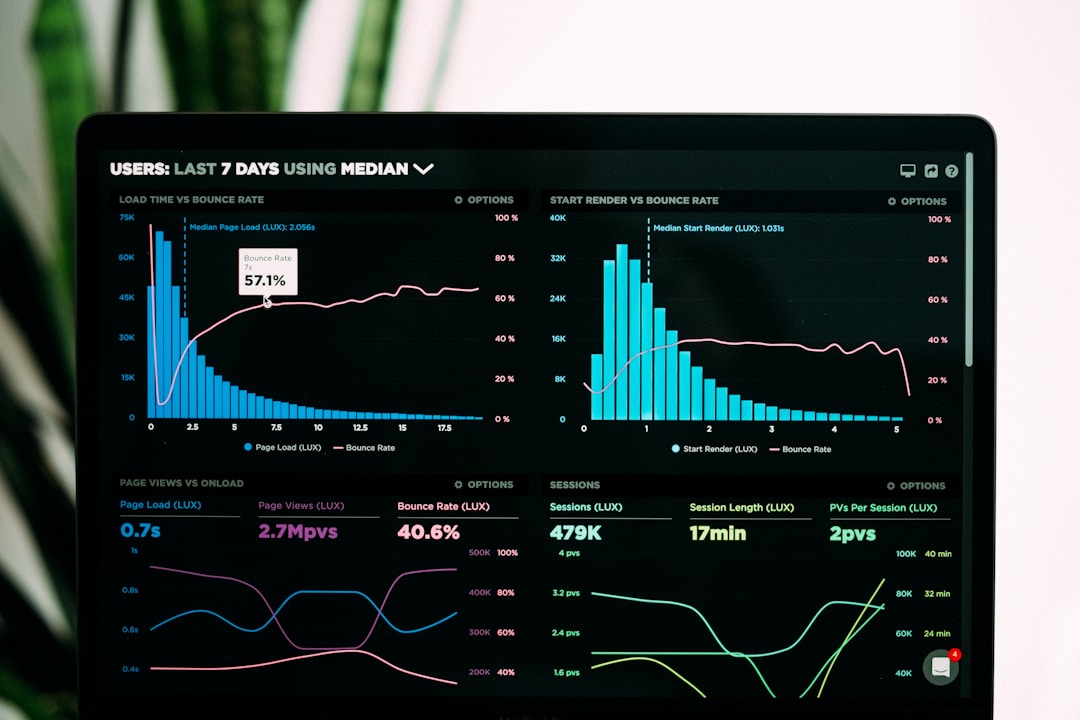
A data visualization dashboard showing charts and graphs. The kind of population statistics that power wearable health age scores, but which do not represent any individual accurately.

Activity & Movement · On Device Ai · Wearables

What 'Health Age' Actually Means and Why Pulsyn Doesn't Use It

Most wearables give you a health age or body age score that compares your biometrics to a population average. The math is a regression model, not a medical diagnosis. Pulsyn does not show one because the number is statistically invalid for the individual reading it.

James Hoffmann James Hoffmann
Jun 6, 2026 13 min read
A conceptual visualization of stress physiology showing the interconnected nervous system response that wearable devices attempt to measure

Stress · On Device Ai · How It Works

What Goes Into Pulsyn's Stress Score

Most wearables compute a stress score by running your heart rate through a black box. Pulsyn does the same thing, but the weights are public, the math is in the repository, and the app tells you exactly how confident it is. Here is the full breakdown.

James Hoffmann James Hoffmann
Jun 4, 2026 13 min read
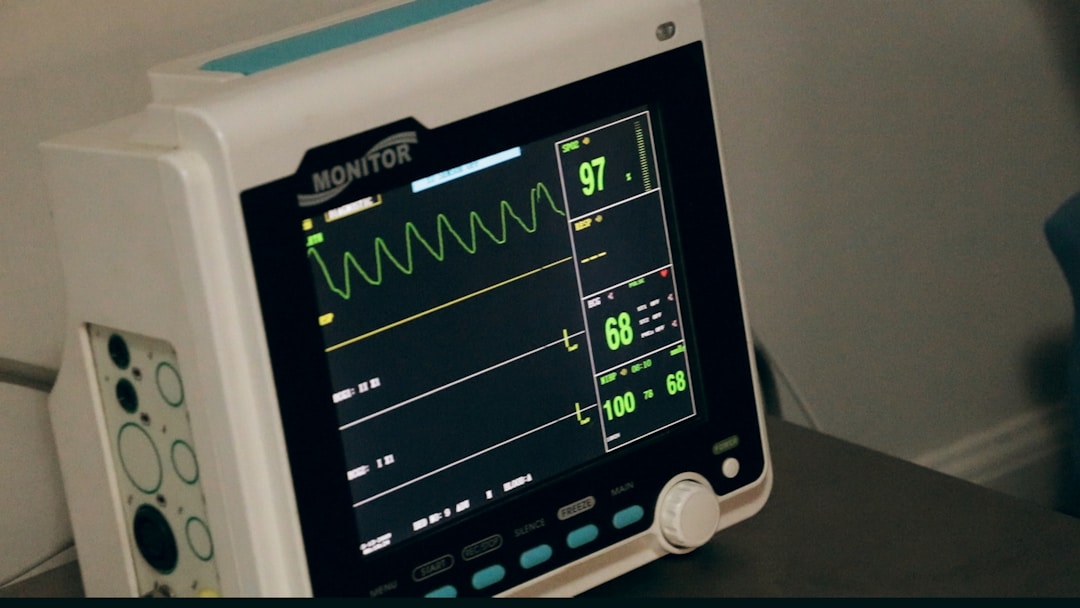
A close-up of a heart rate monitor sensor on a finger, showing the pulse reading in real time

On Device Ai · Wearables · Hrv

How Pulsyn Calculates Resting Heart Rate (and Why Your Current Number Is Probably Wrong)

Most wearables report resting heart rate as the lowest heart rate they can find, usually during sleep. The clinical definition is different. Pulsyn measures it during motionless awake periods, and the gap between the two definitions is often 10 to 15 beats per minute.

James Hoffmann James Hoffmann
Jun 3, 2026 13 min read