7 posts found
The Apple Watch measures electrical voltage. Every smart ring measures light bouncing off blood. These are two different physical phenomena, and the ring form factor makes ECG impossible with current technology.
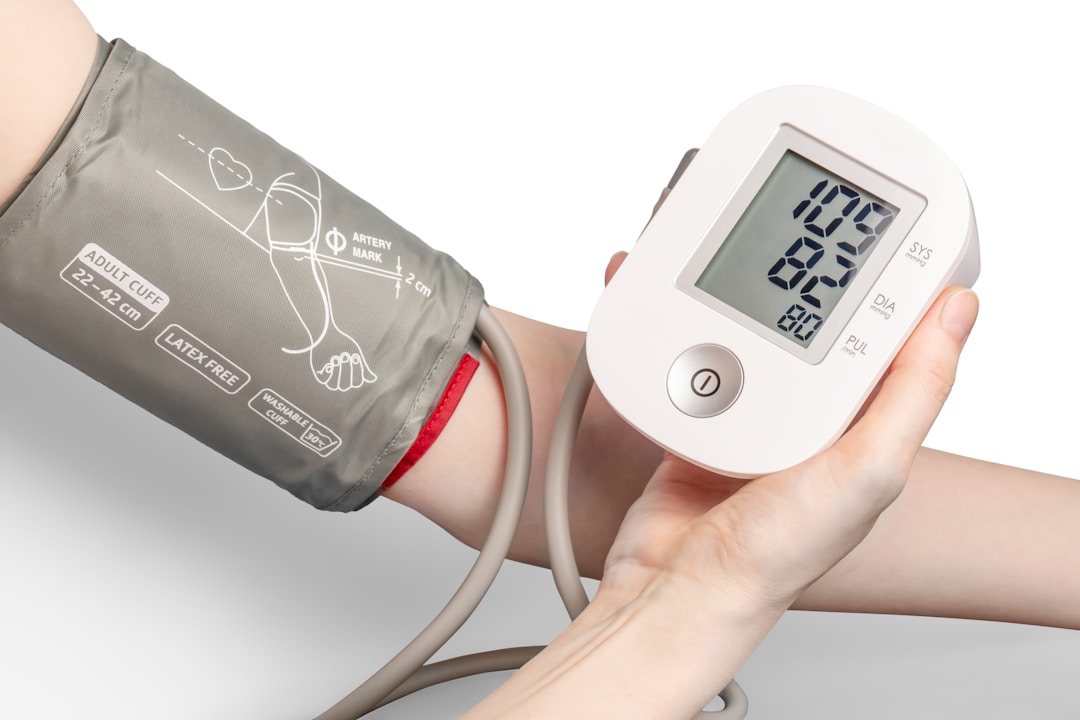
Blood pressure is a force measurement, not a volume measurement. A PPG sensor in a smart ring tracks blood volume, not pressure. Here is why that gap cannot be closed with machine learning alone, and why Pulsyn will not ship a blood pressure estimate until the physics actually works.
Your smart ring does not measure sleep stages. It measures heart rate and motion, then guesses. Here's how the guess works, why the industry pretends otherwise, and why Pulsyn tells you the truth.
Your smart ring does not count your breaths. It counts the ripples that breathing leaves on your heart rate, then runs statistics to guess how many times you inhaled. The method is real. The precision is not.
Smart rings promise workout tracking, but the physics of finger blood flow makes PPG nearly useless during exercise. Here is why the heart rate data is often fabricated, and why Pulsyn does not pretend otherwise.
Most smart rings shine light into your finger and count the bounces. The ones that do it well sample at 100 Hz or higher, use green and infrared LEDs in a specific geometry, and process the signal before it ever reaches a server.
The wrist is the worst place to measure heart rate during sleep. It is too thick for transmissive PPG, too prone to motion artifact, and too thermally unstable. The finger wins on every metric that matters for overnight biometrics.