Skip to content
Back to all posts

Posts tagged: Research, Explained

8 posts found

A transparent glass cube on a table, representing algorithmic clarity and openness in health technology

Research, Explained · Wearables · How It Works

89% of Smart Ring Studies Use Algorithms Nobody Can See: The Transparency Crisis in Wearable Health

A new systematic review finds 89% of smart ring studies rely on proprietary algorithms that nobody outside the company can inspect. Here is what that means for the data on your wrist (or finger).

James Hoffmann James Hoffmann
Jun 25, 2026 1 min read
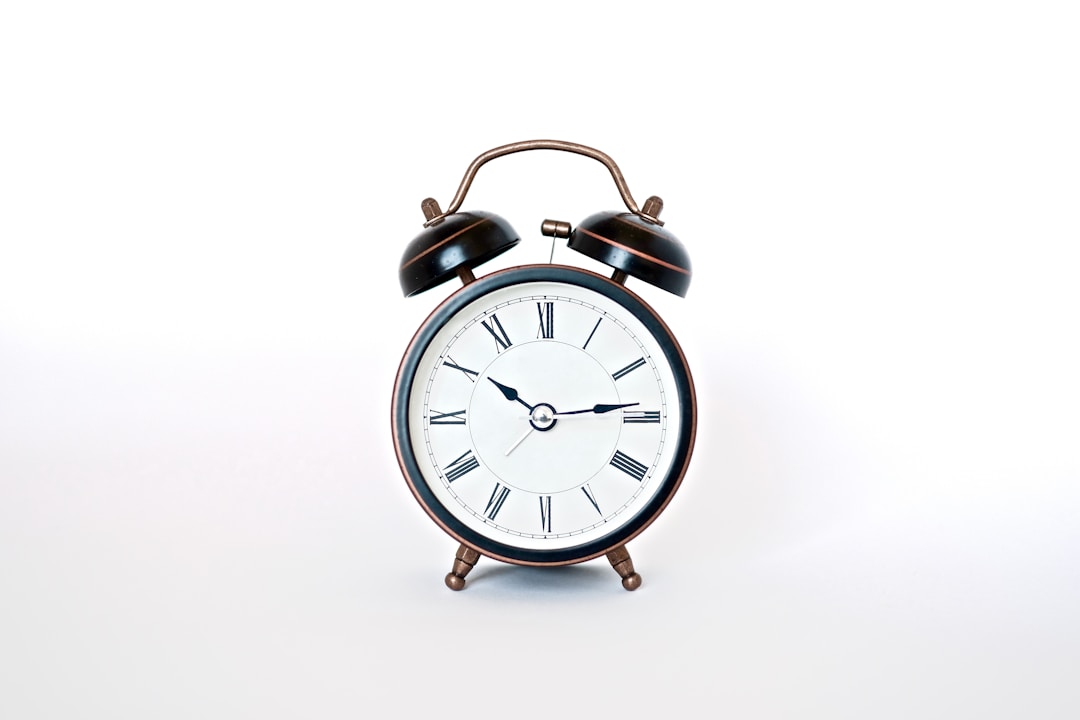
An alarm clock on a bedside table in soft morning light, showing the gap between weekday wake times and weekend sleep schedules

Sleep · Research, Explained · Recovery

The Social Jetlag Problem: Why Your Weekend Sleep Schedule Is Wrecking Your Recovery Score

Most wearables score Monday morning as poor recovery when the real problem is that their algorithm does not know what time your brain thinks it is. Social jetlag shifts your circadian clock by one to two hours every weekend. The recovery score does not.

James Hoffmann James Hoffmann
Jun 10, 2026 15 min read
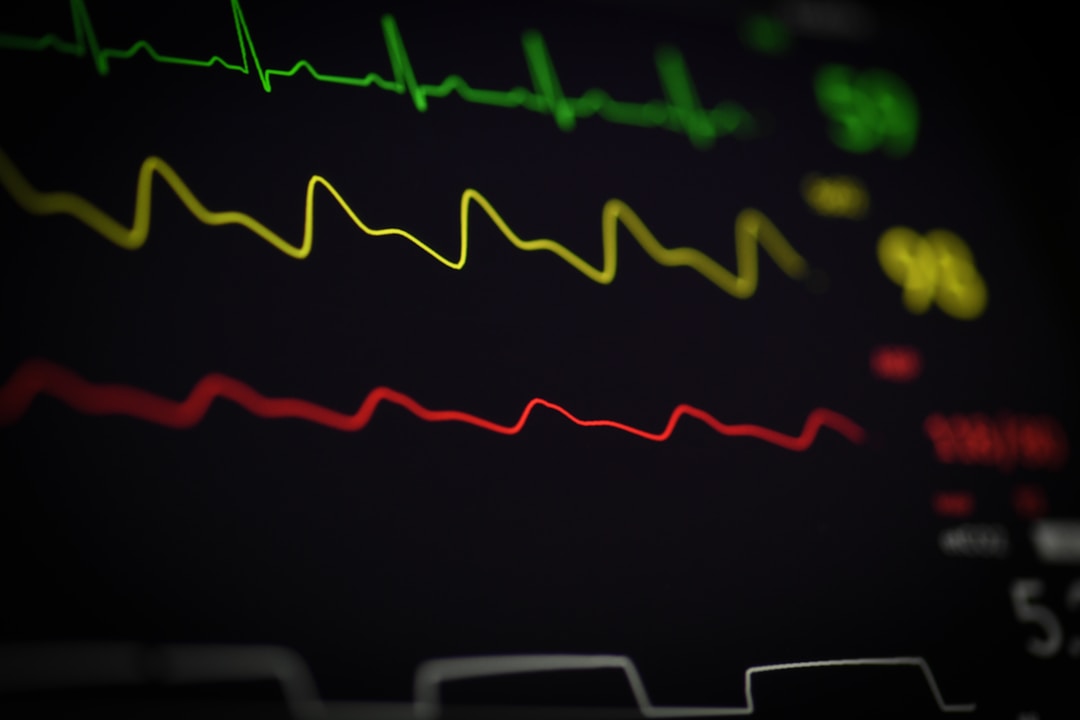
A close-up of an ECG monitor screen showing the characteristic electrical waveform of a heartbeat. Smart rings measure something completely different.

Research, Explained · Wearables · Hrv

Why Smart Rings Can't Do ECG

The Apple Watch measures electrical voltage. Every smart ring measures light bouncing off blood. These are two different physical phenomena, and the ring form factor makes ECG impossible with current technology.

James Hoffmann James Hoffmann
Jun 10, 2026 13 min read
A hotel room at night with an unmade bed, representing the unfamiliar environment where the first night effect occurs and sleep trackers get confused

Sleep · Research, Explained · Wearables

How Traveling Breaks Your Sleep Tracker (and Why the First Night Effect Is Real)

The first night effect is a documented neurological phenomenon where half your brain stays awake in unfamiliar environments. Most wearables treat this as a bad night and tank your score. They should be treating it as a different kind of night entirely.

James Hoffmann James Hoffmann
Jun 1, 2026 11 min read
A medical stethoscope on a desk with clinical documents, representing the regulatory gap between wellness devices and validated medical equipment

Research, Explained · Wearables

Your Smart Ring Is a Wellness Device, Not a Medical Device. Here's What That Actually Means.

The FDA's 19-page general wellness policy lets smart ring companies skip clinical validation entirely. Every wearable you have heard of lives inside that loophole. The difference between wellness and medical is not a matter of degree. It is a matter of whether anyone tested the accuracy before it shipped.

James Hoffmann James Hoffmann
May 31, 2026 12 min read
A person running on a treadmill in a lab setting, the exact environment where Stanford tested fitness trackers against clinical calorimeters

Activity & Movement · Research, Explained · Wearables

Why Your Wearable's Calorie Count Is Wrong by 27 to 93 Percent

A Stanford study tested seven fitness trackers against clinical instruments. Heart rate was accurate. Energy expenditure was off by 27 to 93 percent on every device. The calorie number on your screen is not a measurement. It is a guess.

James Hoffmann James Hoffmann
May 30, 2026 15 min read
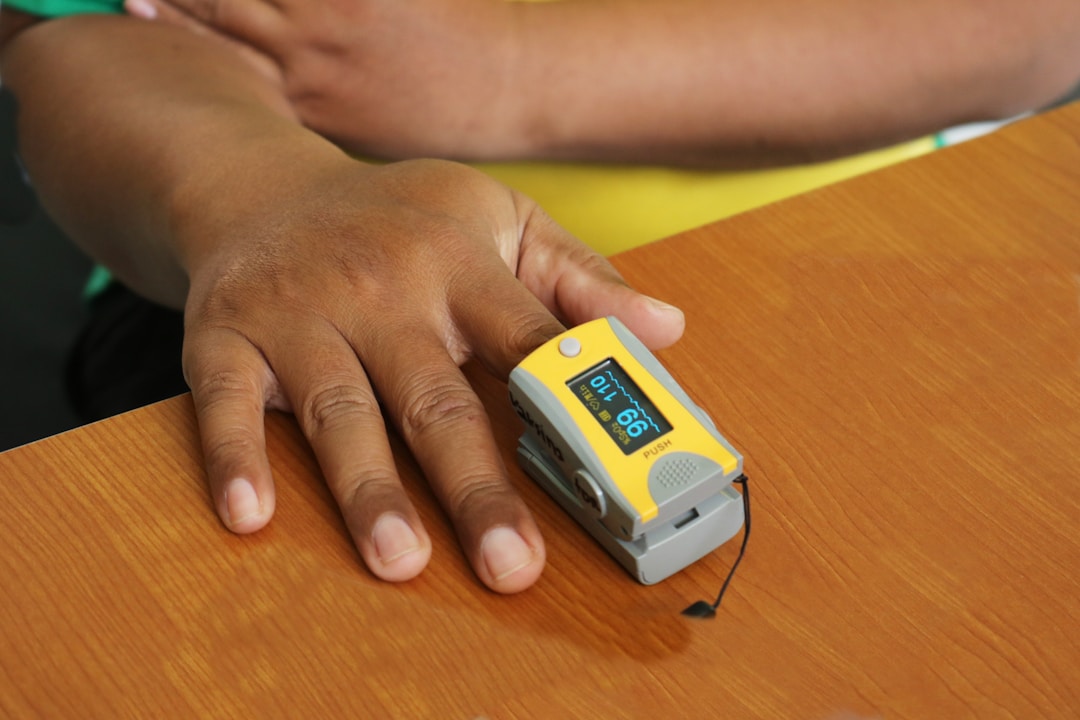
A medical pulse oximeter clipped to a fingertip, using transmissive light technology that consumer smart rings cannot replicate

Research, Explained · Wearables · Hrv

Why Your Smart Ring SpO2 Reading Is Probably a Guess

Consumer wearables run reflective PPG on body parts never designed for it. The FDA has scrutinized these monitors since 2022 for systematic bias. Smart rings compound the problem with clamp pressure and unvalidated algorithms.

James Hoffmann James Hoffmann
May 28, 2026 11 min read
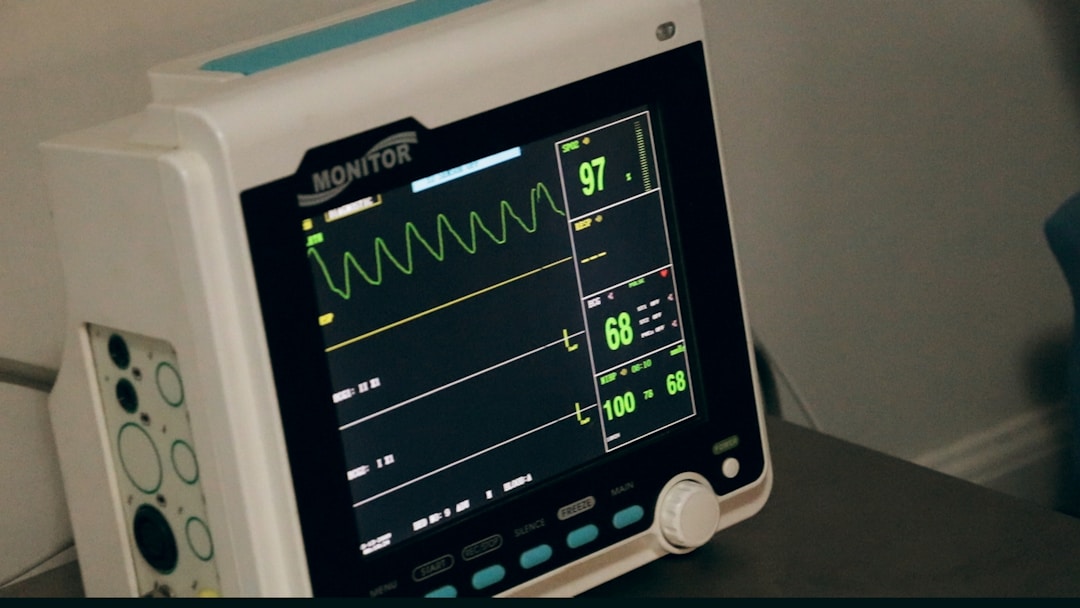
A medical electrocardiogram monitor showing heart rhythm data, representing the raw physiological signal behind HRV analysis

Research, Explained · Wearables · Recovery

What HRV Actually Measures and Why Your Recovery Score Is a Marketing Invention

HRV is not a score. It is a noisy physiological signal that consumer wearables clean, compress, and repackage as a recovery percentage with no medical validation. This post explains how the sausage is made, why the math does not support the marketing, and what Pulsyn does instead.

James Hoffmann James Hoffmann
May 26, 2026 12 min read