Skip to content
Back to all posts

Posts tagged: Wearables

71 posts found

A runner training outdoors, with the kind of aerobic effort that wearables try to use for VO2 max estimation through submaximal heart rate analysis

Wearables · How It Works · Hrv

Why Your Wearable's VO2 Max Estimate Is Probably Wrong (and What the Studies Actually Say)

Every running watch and fitness tracker claims to estimate your VO2 max. But the number on your wrist and the number from a gas exchange analyzer are different things. Here is what the validation studies actually measure, and why your wearable is probably off by 10 to 15 percent.

James Hoffmann James Hoffmann
Jun 14, 2026 1 min read
A person wearing a smart ring while sleeping, with a digital overlay showing temperature and heart rate data patterns used for early illness detection

Sleep · On Device Ai · Wearables

Can Your Smart Ring Detect Illness Before You Feel Symptoms

A March 2026 Nature study found that sleep and temperature data from consumer wearables can detect diabetes with 73% accuracy. The sensors are already in your smart ring. The companies selling them are not using them for this.

James Hoffmann James Hoffmann
Jun 13, 2026 1 min read
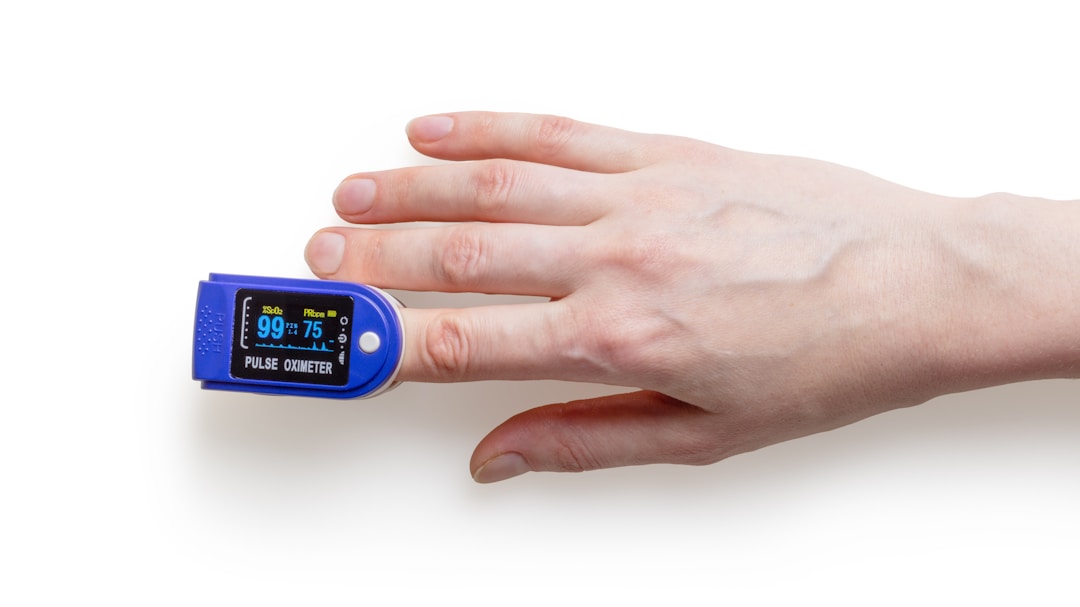
A pulse oximeter clipped on a finger showing how optical sensors measure blood flow through the skin, the same principle used in smart ring PPG sensors

Wearables

Your Smart Ring's PPG Sensor Has a Skin Tone Problem. The Industry Is Quiet About It.

Green-light PPG sensors in smart rings measure pulse by shining LEDs through your skin. Melanin absorbs that green light, which means your Oura or Ultrahuman reads your heart rate differently based on your skin tone. The research shows 30 to 60 percent signal degradation on darker skin. The industry does not talk about it. Pulsyn is building a ring that does.

James Hoffmann James Hoffmann
Jun 13, 2026 1 min read
The Secondhand Smart Ring Problem: Why Selling Your Ring Doesn't Erase Your Data

Privacy · Wearables

The Secondhand Smart Ring Problem: Why Selling Your Ring Doesn't Erase Your Data

You factory-reset your Oura before listing it on eBay. The buyer gets a clean ring. Your heart rate data from the last 18 months is still in their cloud.

James Hoffmann James Hoffmann
Jun 12, 2026 1 min read
A person hitting an alarm clock after insufficient sleep, representing the false promise of catching up on rest

Sleep · Wearables

The Sleep Debt Problem: Why Your Wearable's 'Hours Behind' Number Is a Fiction

Your wearable thinks sleep is a bank account. Sleep six hours instead of eight, and your app tells you you're 'two hours behind.' This is not how sleep works. Sleep is regulated by two biological processes that do not use arithmetic, and the idea that you can store or repay hours is a marketing fiction.

James Hoffmann James Hoffmann
Jun 12, 2026 1 min read
A night owl perched in darkness, illustrating the biological reality that not everyone is wired for early sleep — something no smart ring sensor can detect

Sleep · Wearables · How It Works

The Chronotype Problem: Why Your Smart Ring's 'Optimal Bedtime' Is Wrong for Half the Population

Your smart ring tells you to sleep at 9:30 PM because your heart rate dropped. But it does not know whether your brain produces melatonin at 9:30 PM or midnight. Chronotype, the genetic wiring that makes you a lark or a night owl, is ignored by every bedtime guidance feature on the market.

James Hoffmann James Hoffmann
Jun 11, 2026 1 min read
A fitness tracker dashboard showing multiple rings and metrics. The interface design that turns physiological complexity into a single digestible number, and the psychological cost of that simplification

Wearables · How It Works · Recovery

Recovery, Readiness, and Strain: Why Your Wearable Gives You Three Scores for the Same Inputs

Oura calls it Readiness. Whoop calls it Recovery. Garmin calls it Body Battery. They all pull from the same three inputs. The names are different because the marketing departments are different. The math is nearly identical because the sensors are identical.

James Hoffmann James Hoffmann
Jun 11, 2026 16 min read
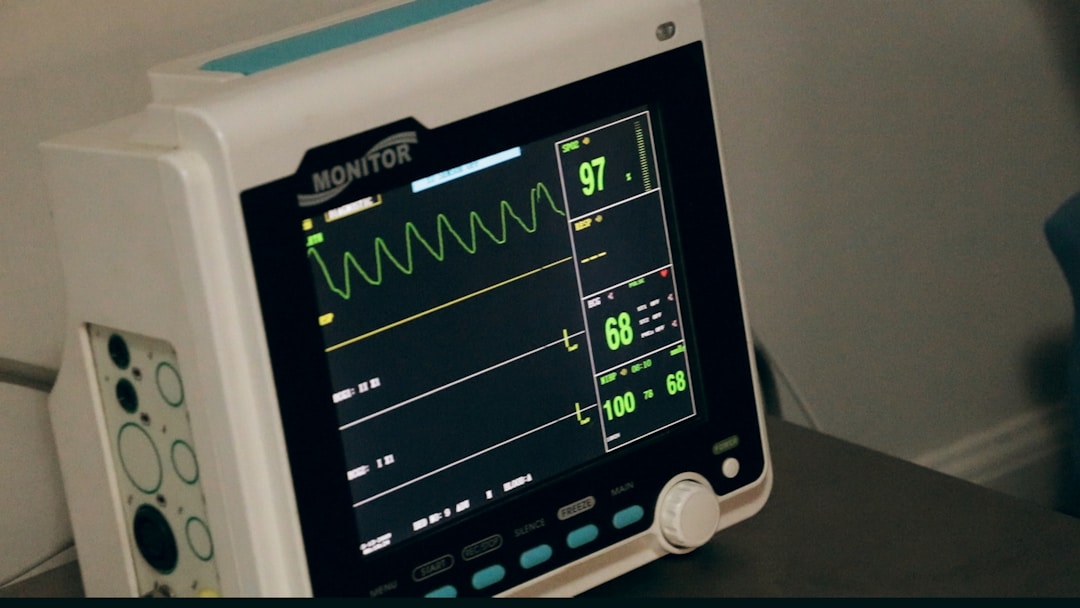
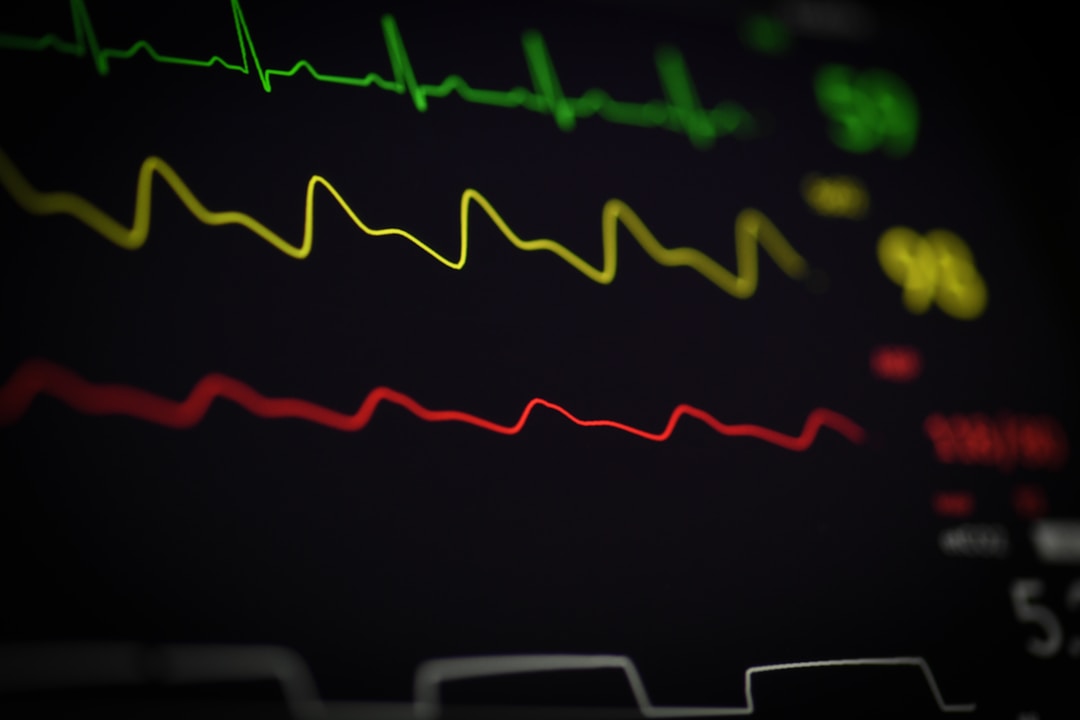
A close-up of an ECG monitor screen showing the characteristic electrical waveform of a heartbeat. Smart rings measure something completely different.

Research, Explained · Wearables · Hrv

Why Smart Rings Can't Do ECG

The Apple Watch measures electrical voltage. Every smart ring measures light bouncing off blood. These are two different physical phenomena, and the ring form factor makes ECG impossible with current technology.

James Hoffmann James Hoffmann
Jun 10, 2026 13 min read
A close-up of a green LED and photodiode sensor on a small circuit board, the same components found inside every smart ring that claims to monitor your heart rate continuously

Wearables · How It Works · Hrv

The 'Continuous' Heart Rate Lie: Why Your Ring Samples Your Pulse in Bursts, Not Streams

Smart rings claim 'continuous' heart rate monitoring. The physics of photoplethysmography and a 20 milliamp-hour battery make that impossible. Here is the duty cycle nobody talks about, and why Pulsyn shows the gaps instead of hiding them.

James Hoffmann James Hoffmann
Jun 9, 2026 11 min read