Skip to content
Back to all posts

Posts tagged: Wearables

71 posts found

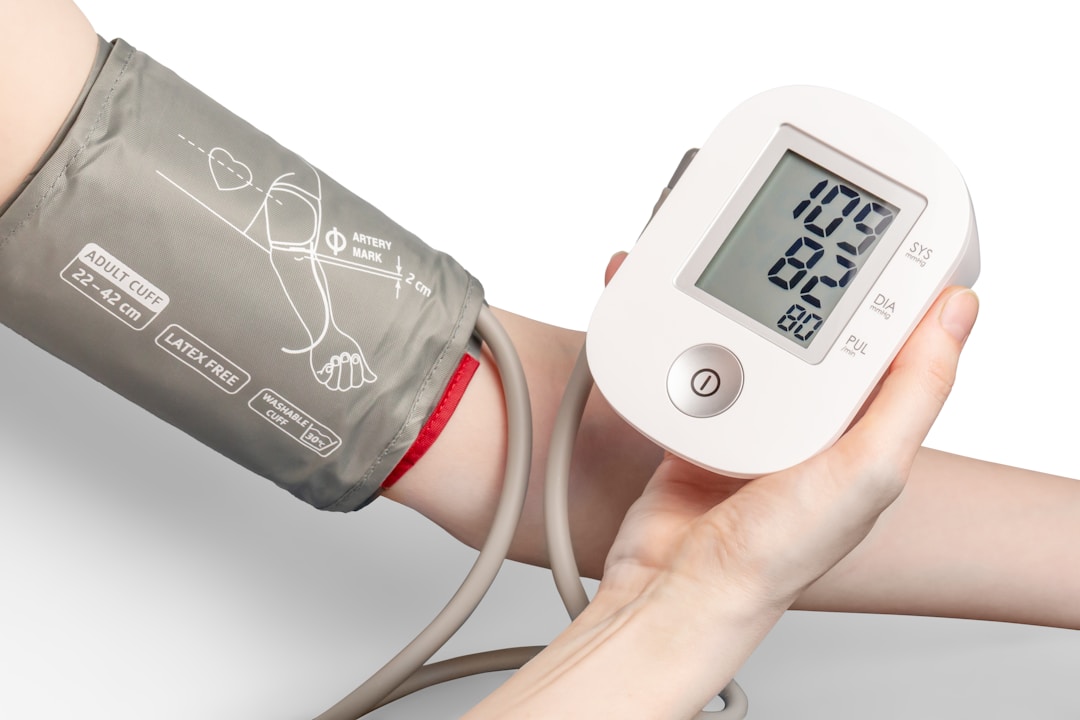
A blood pressure monitor cuff on a desk, the exact device smart rings would need to replace to measure blood pressure accurately

Wearables · How It Works · Hrv

Why Smart Rings Can't Measure Blood Pressure Yet

Blood pressure is a force measurement, not a volume measurement. A PPG sensor in a smart ring tracks blood volume, not pressure. Here is why that gap cannot be closed with machine learning alone, and why Pulsyn will not ship a blood pressure estimate until the physics actually works.

James Hoffmann James Hoffmann
Jun 9, 2026 14 min read
A medical sleep study room with monitoring equipment and sensors, the gold standard for measuring sleep stages that smart rings attempt to approximate

Sleep · On Device Ai · Wearables

How Smart Rings Calculate Sleep Stages (and Why They're Mostly Guessing)

Your smart ring does not measure sleep stages. It measures heart rate and motion, then guesses. Here's how the guess works, why the industry pretends otherwise, and why Pulsyn tells you the truth.

James Hoffmann James Hoffmann
Jun 8, 2026 14 min read
A person breathing deeply during meditation, illustrating the physical act of respiration that smart rings never actually measure

On Device Ai · Wearables · Hrv

How Smart Rings Guess Your Breathing Rate (and Why the Number Is Mostly Fiction)

Your smart ring does not count your breaths. It counts the ripples that breathing leaves on your heart rate, then runs statistics to guess how many times you inhaled. The method is real. The precision is not.

James Hoffmann James Hoffmann
Jun 8, 2026 11 min read
A pile of obsolete technology and electronic waste in a dimly lit storage space. The physical remnants of devices that outlived their cloud backends.

Privacy · Wearables

What Happens to Your Health Data When the Company Dies

When Intel shut down Basis in 2016, the devices did not break. The servers did. The cloud model turns your health history into a loan, and the company owns the vault. Pulsyn stores everything on your phone because your phone is the only hardware you actually own.

James Hoffmann James Hoffmann
Jun 7, 2026 13 min read
A person napping in afternoon light on a couch, the exact scenario where most smart rings misclassify sleep stages due to circadian differences

Sleep · Wearables

The Nap Problem: Why Smart Rings Are Bad at Afternoon Sleep, and What the Science Actually Says

Most smart rings treat a 20-minute afternoon nap as either deep sleep or a complete miss. The reason is not a bug. It is a fundamental mismatch between how actigraphy guesses sleep stages and how naps actually work.

James Hoffmann James Hoffmann
Jun 7, 2026 13 min read
A closeup of a lithium polymer battery cell showing the layered construction that degrades with every charge cycle in a sealed smart ring

Wearables

Why Smart Rings Are Built to Die: The Hardware Expiration Date Nobody Talks About

Most smart rings stop holding a full charge after 18 to 24 months, and the companies that sell them know it. The battery is sealed inside a titanium shell, glued shut, with no replacement path. That is not an accident. It is a business model.

James Hoffmann James Hoffmann
Jun 6, 2026 12 min read
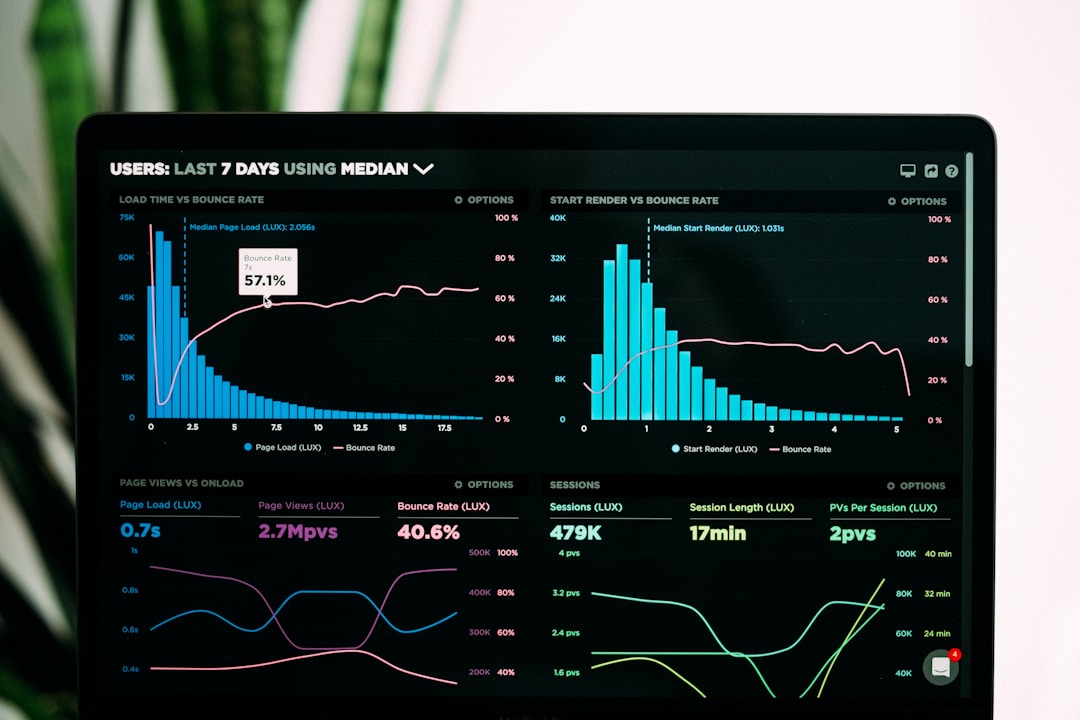
A data visualization dashboard showing charts and graphs. The kind of population statistics that power wearable health age scores, but which do not represent any individual accurately.

Activity & Movement · On Device Ai · Wearables

What 'Health Age' Actually Means and Why Pulsyn Doesn't Use It

Most wearables give you a health age or body age score that compares your biometrics to a population average. The math is a regression model, not a medical diagnosis. Pulsyn does not show one because the number is statistically invalid for the individual reading it.

James Hoffmann James Hoffmann
Jun 6, 2026 13 min read
A closeup of a lithium polymer battery cell showing the internal structure and power density constraints that make smart ring battery life a physics problem

Wearables

Why Smart Ring Battery Life Is a Physics Problem, Not a Marketing Problem

Most smart ring manufacturers advertise 7-day battery life. That number comes from a test mode where the heart rate monitor is off and the wearer is asleep. In real use, the gap between marketing and physics is about 40 percent.

James Hoffmann James Hoffmann
Jun 5, 2026 14 min read
A digital privacy concept image showing data security and protection themes

Privacy · Wearables

Your Wearable Data Isn't Covered by HIPAA. The FTC, Congress, and 20 States Are Trying to Fix That.

Your fitness tracker data is not protected by HIPAA. The FTC, Congress, and 20 states are trying to fix that, but legislation only regulates what companies can do with data they already possess. Pulsyn removes the server entirely.

James Hoffmann James Hoffmann
Jun 5, 2026 11 min read